
-

How Climate Action Creates Stronger Communities Through Sustainable Development and Resilience Building
Climate action strengthens communities by fostering collaboration and shared goals. When people work together to reduce emissions, improve local environments, and adapt to climate challenges, social bonds grow stronger and trust increases. Taking steps to address climate issues helps communities become more resilient, socially connected, and economically stable. This creates a foundation for long-term well-being…
-

How Activism Can Support Emotional Well-Being Through Community and Purpose
Activism offers more than social change; it can directly enhance emotional well-being. By engaging in meaningful causes, individuals often experience increased purpose, connection, and self-esteem. Taking action toward a cause can foster a sense of control and hope, which positively impacts mental health. Participating in activism creates community bonds that reduce feelings of isolation and…
-

Do Carbon Taxes Really Help the Planet? Examining Their Impact on Climate Change Solutions
Carbon taxes aim to reduce greenhouse gas emissions by putting a price on carbon, incentivising both businesses and consumers to reduce their carbon footprints. Advocates argue that this approach not only generates revenue for renewable energy projects but also encourages innovation in cleaner technologies. Research suggests that when implemented effectively, carbon taxes can significantly contribute…
-

Easy Ways to Cut Down on Trash at Home: Simple Tips for a Sustainable Lifestyle
Reducing trash at home is not only a practical choice but also a significant step towards fostering a more eco-friendly lifestyle. Simple changes like switching to reusable bags, minimising single-use items, and practising mindful consumption can greatly reduce waste and help combat climate change. These small actions contribute to lower greenhouse gas emissions and a…
-
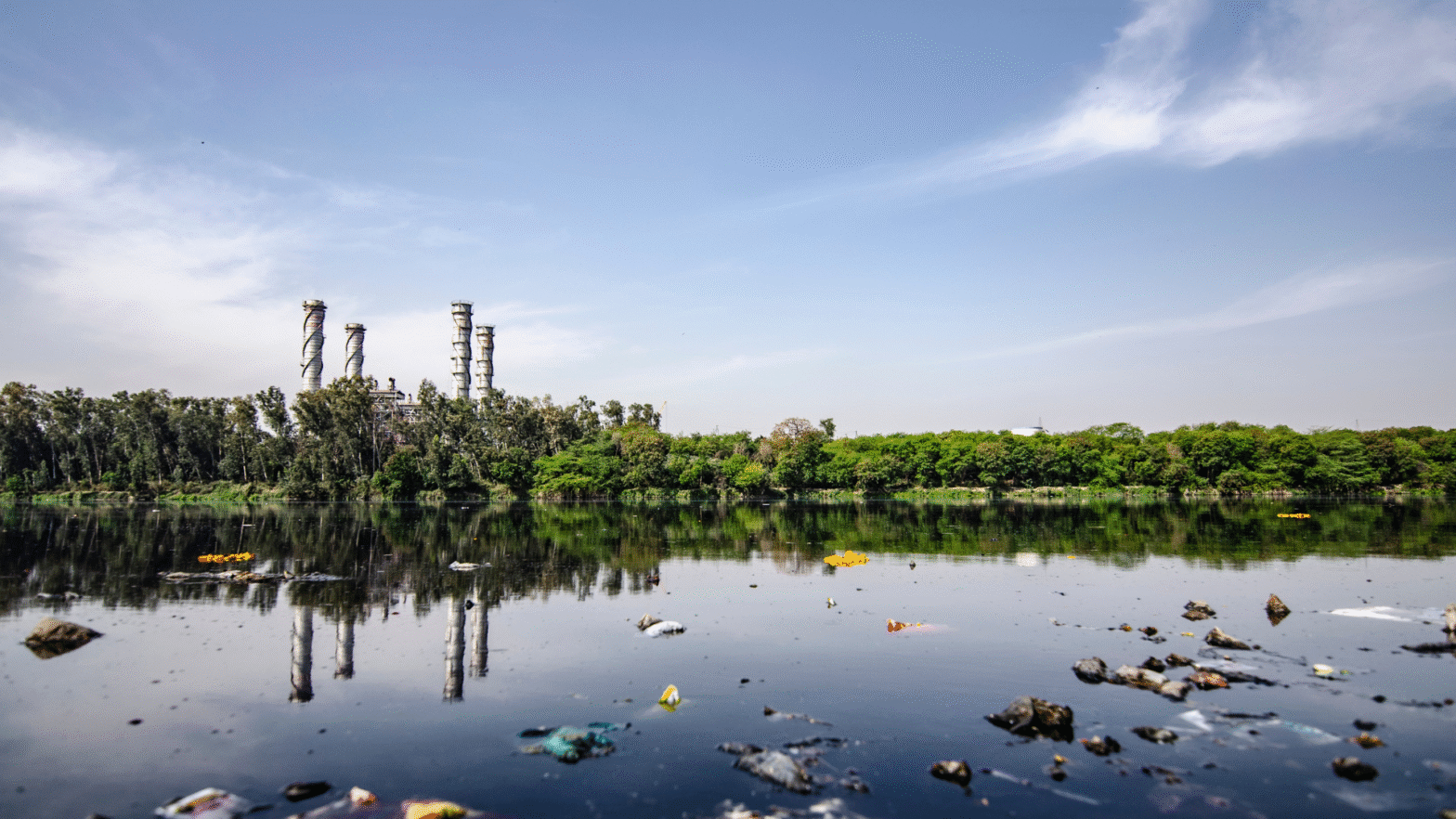
How Air Pollution Harms City Nature: Impacts on Urban Ecosystems and Biodiversity
Air pollution significantly impacts urban ecosystems, leading to both immediate and long-term harm to city nature. Studies show that pollutants reduce biodiversity, damage plant life, and disrupt the delicate balance of urban habitats. As cities grow and industrial activities increase, the effects on local flora and fauna become more pronounced. Wildlife in urban areas, including…
-
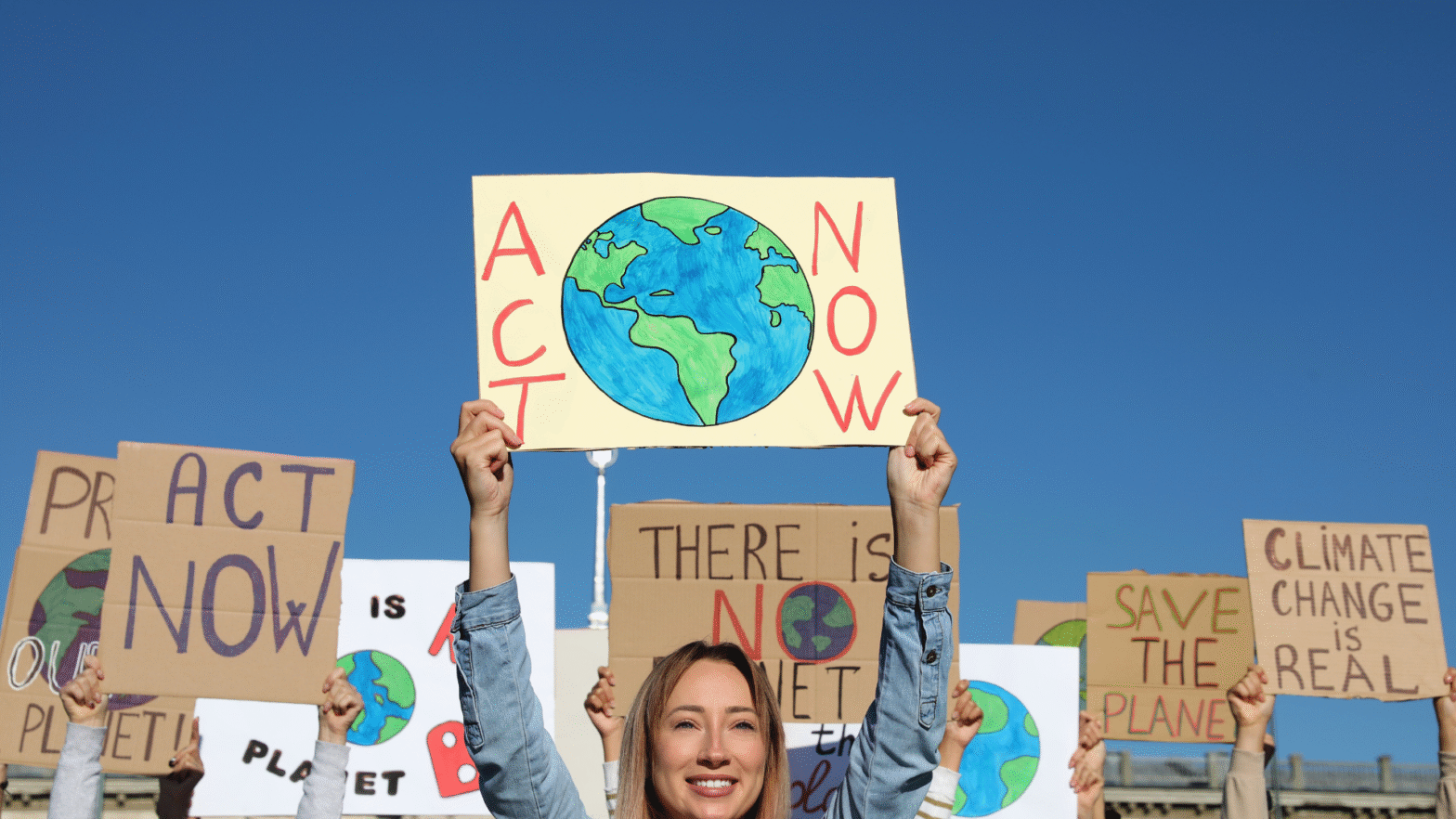
How Green Groups Help Change Laws: Strategies and Successes in Environmental Advocacy
Green groups play a crucial role in shaping environmental legislation by advocating for sustainable practices and raising public awareness about pressing ecological issues. These organisations utilise a combination of grassroots activism, lobbying, and strategic partnerships to influence lawmakers and drive meaningful change. Their efforts often lead to significant reforms in policies related to climate change,…
-
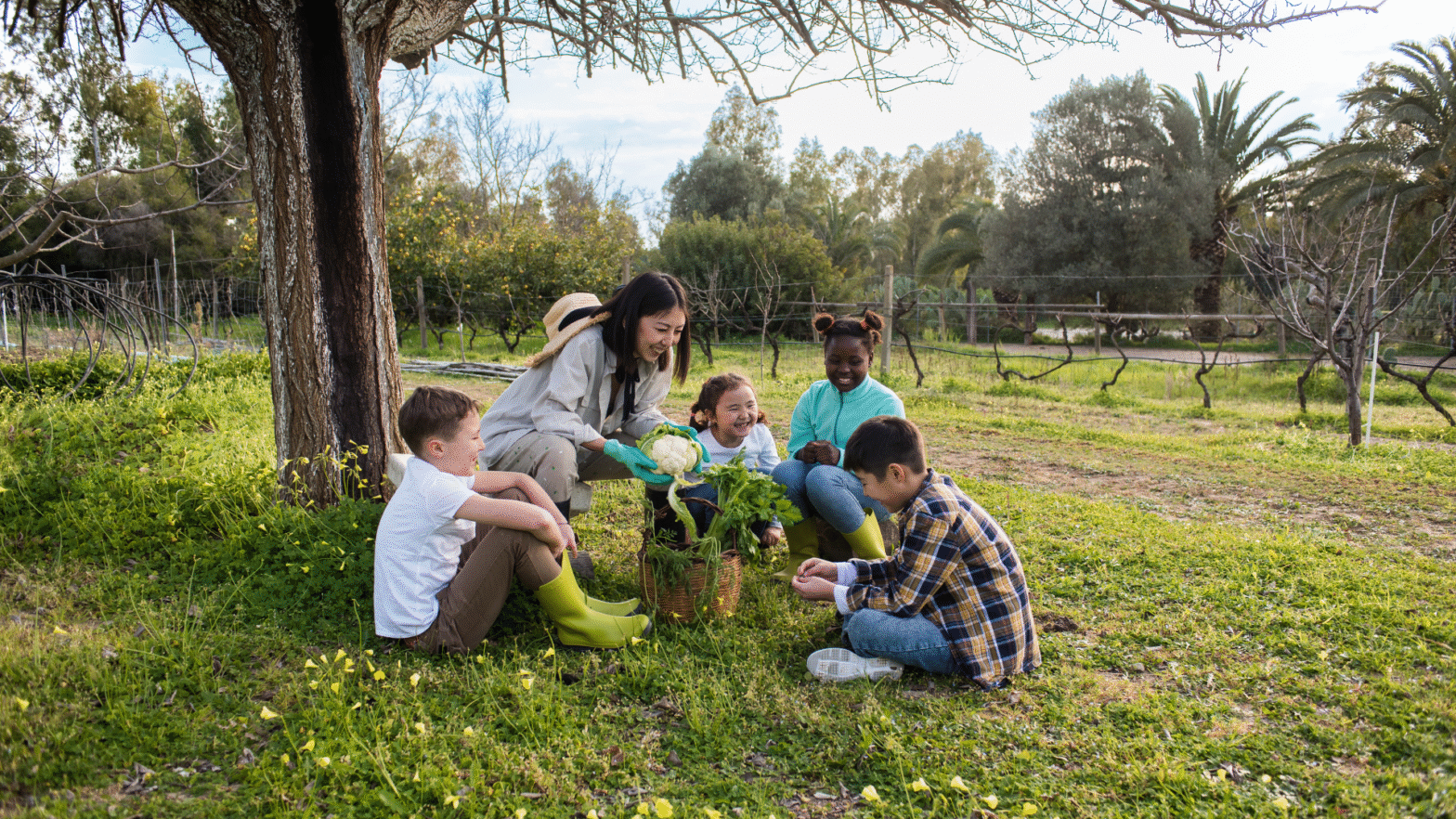
How Shared Gardens Bring People Together: Fostering Community Bonds Through Collaborative Gardening
Shared gardens serve as vibrant community hubs where individuals come together, share resources, and cultivate both plants and relationships. These spaces foster social interactions and encourage collaboration among diverse groups, breaking down barriers and building strong connections. Whether they are urban plots or rural spaces, shared gardens create environments where people can engage in meaningful…
-

How Taking Breaks from Screens Helps You and the Planet: The Benefits of Digital Detox
In today’s digital age, many people find themselves glued to screens for hours on end, often neglecting their physical and mental well-being. Taking breaks from screens not only enhances individual health by reducing eye strain and improving focus but also contributes positively to the environment by lowering energy consumption. The benefits extend beyond personal relief,…
-

What Goes in the Bin? A Simple Guide for Busy Homes
Keeping a home clean feels easier when everyone knows where each item goes. Bins help with that. When rubbish goes in the right place, rooms stay clear, bad smells fade, and fewer pests show up. The best part is that it saves time later. You do a small sort now and avoid a big mess…
-

How to Make Your Home Eco-Friendly and Save Energy: Practical Tips for a Sustainable Lifestyle
Creating an eco-friendly home is not just a trend; it’s a vital step towards sustainability. Simple changes can significantly reduce energy use, lower utility bills, and lessen environmental impact. By making conscious choices, individuals can create a more sustainable living space that benefits both them and the planet. Incorporating energy-efficient appliances, utilising renewable resources, and…