
Sustainability is achievable through small, consistent changes in daily habits. Individuals can reduce waste, conserve energy, and make mindful choices that collectively have a significant impact. Simple actions like using reusable items, cutting down on single-use plastics, and conserving water form the foundation of practising sustainability every day.
People often underestimate how routine behaviour influences the environment. By integrating sustainable habits into everyday life, such as choosing energy-efficient appliances or supporting local products, anyone can contribute to a healthier planet. These realistic, manageable steps make sustainability accessible for everyone.
Understanding the direct impact of these choices is key to maintaining motivation. When individuals see how their daily decisions align with larger environmental goals, they are more likely to continue adopting eco-friendly practices.
Fundamental Principles of Sustainable Living
Living sustainably involves deliberate choices that reduce environmental harm and promote resource preservation. These choices impact the planet directly and influence broader efforts to address climate change and environmental degradation.
Understanding Sustainability
Sustainability means meeting present needs without compromising future generations’ ability to meet theirs. It requires balancing economic, social, and environmental factors, focusing on resource conservation and reducing waste.
Key components include:
- Using renewable resources instead of finite ones, minimising pollution and emissions
- Supporting systems that regenerate natural ecosystems
Sustainability is not just environmental, but also social equity and economic viability. Embracing these principles encourages responsible consumption and long-term thinking in daily activities.
The Impact of Daily Habits on the Environment
Daily habits shape an individual’s environmental impact significantly. Small actions such as reducing water use, minimising plastic consumption, or choosing public transport over cars lower carbon footprints.
For example:
- Turning off lights saves electricity
- Using reusable bags prevents plastic waste
- Eating less meat reduces greenhouse gases
Each action contributes to climate change mitigation and environmental preservation cumulatively. Consistent, sustainable habits create measurable benefits in energy savings and pollution reduction.
Benefits of Developing Sustainable Habits
Adopting sustainable habits yields tangible and intangible benefits. It reduces household expenses through energy efficiency and waste reduction. Health improves by opting for eco-friendly products and nutrient-rich, locally sourced foods.
Additionally, sustainable living fosters a sense of responsibility and connection to the environment. It supports eco-friendly lifestyles that help slow climate change and protect biodiversity. Over time, these habits influence communities and markets toward greener practices.
Reducing Waste and Embracing Reuse
Effective waste reduction involves intentional steps to recycle correctly, avoid single-use items, and manage organic waste responsibly. These habits lead to less landfill contribution and support resource conservation.
Practice Recycling in Everyday Life
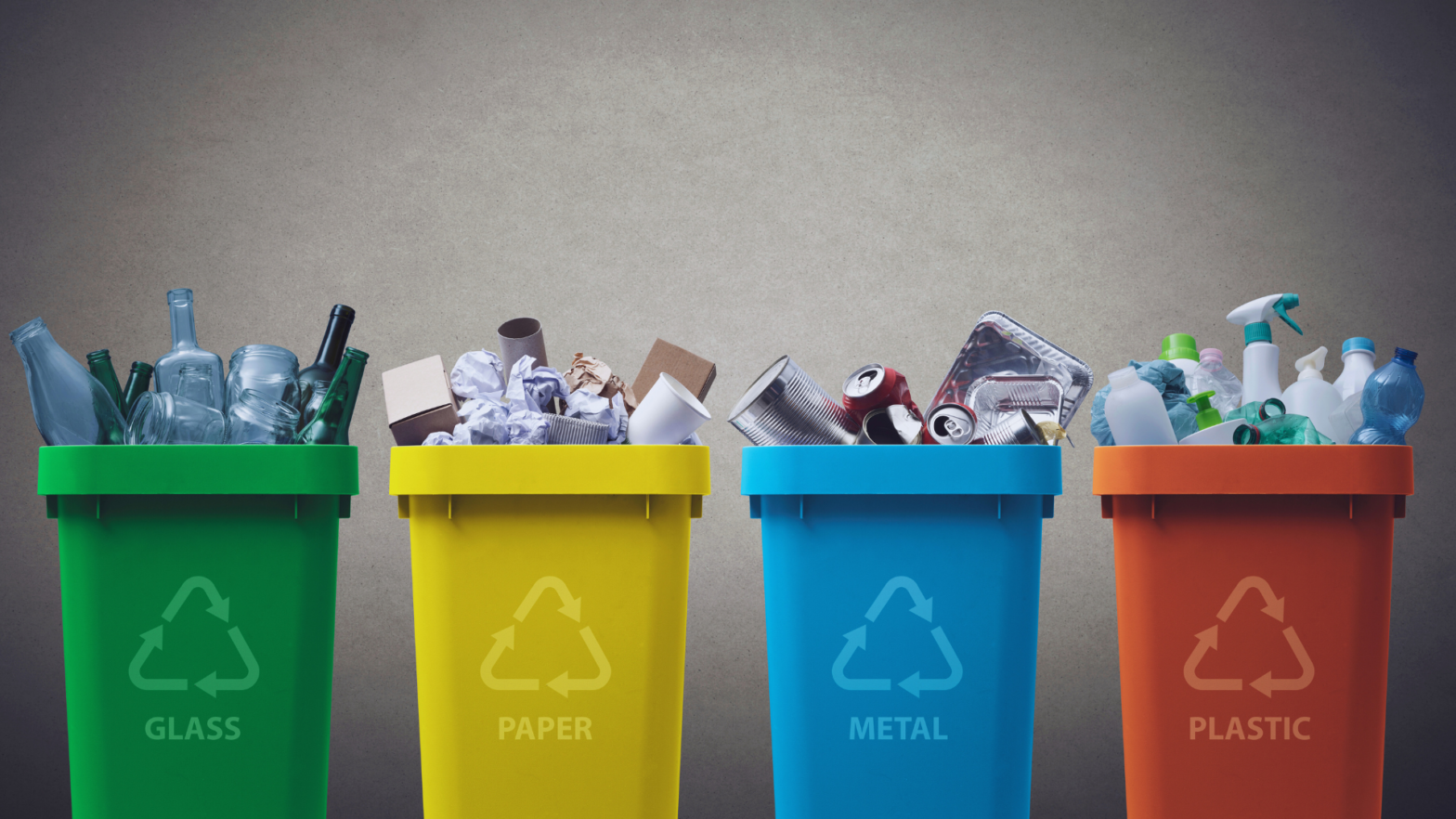
Recycling requires sorting materials like paper, glass, metals, and plastics according to local guidelines. Using clearly labelled bins can help avoid contamination, which is a major barrier to successful recycling.
Consumers should prioritise products with recyclable packaging and choose items made from recycled content, such as recycled toilet paper. This supports markets for recycled goods and reduces demand for virgin materials.
Frequent recycling habits reduce waste volume and conserve natural resources. It is important not to rely solely on recycling but to combine it with reuse and waste reduction strategies.
Minimise Single-Use Products and Plastic Packaging
Single-use products, especially plastics, significantly contribute to environmental problems. Reducing dependence on items like plastic bags, straws, and disposable cutlery decreases plastic pollution.
Using reusable bags, containers, and water bottles helps cut down on packaging waste. Choosing bulk or unpackaged goods reduces excess plastic packaging.
Consumers can also support brands that offer sustainable packaging alternatives, such as biodegradable materials. Less plastic use benefits biodiversity by preventing plastic debris in ecosystems.
Composting and Managing Organic Waste
Composting transforms food waste and organic material into nutrient-rich fertiliser, supporting healthy soil and plant growth. Using a compost bin at home is an effective way to handle organic waste.
Key compostable items include fruit and vegetable scraps, coffee grounds, and yard waste. Avoid composting meat or dairy to prevent pests and odours.
Composting reduces landfill methane emissions and promotes biodiversity by enhancing soil ecosystems. Regularly turning the compost aerates it, speeding up decomposition.
Eco-Friendly Consumption and Energy Habits
Sustainable living often starts at home by selecting eco-conscious products and managing energy effectively. This reduces carbon emissions and lowers greenhouse gas impact through practical changes in daily routines.
Choosing Sustainable Products and Natural Cleaners
They should prioritise products labelled USDA Organic or Fair Trade to ensure ethical sourcing and reduced environmental harm. Choosing natural cleaners made from plant-based ingredients avoids toxic chemicals that pollute water and soil.
Using reusable bags, containers, and buying from brands committed to sustainability supports lower waste generation. Checking product packaging for recyclability or biodegradability helps minimise landfill impact.
Switching to items with minimal processing and local sourcing reduces the overall carbon footprint linked to transportation and manufacturing. This approach promotes mindful purchasing aligned with long-term ecological health.
Reducing Energy Consumption at Home
Turning off lights when rooms are unoccupied significantly cuts energy consumption. Replacing incandescent bulbs with LED bulbs can decrease electricity use by up to 75%, making lighting more efficient.
Maximising the use of natural light during the day lessens dependency on artificial lighting. Setting thermostats thoughtfully and unplugging idle electronics further reduces unnecessary power use.
Regularly maintaining appliances ensures they run efficiently, helping save energy. These simple steps contribute directly to lower household carbon emissions.
Integrating Renewable Energy Solutions
Investing in solar panels offers a direct way to decrease reliance on fossil fuels. Solar energy provides clean, renewable power, helping households reduce their carbon footprint.
Exploring local incentives for renewable installations can make this investment more affordable. Pairing solar power with energy storage systems optimises energy use even during non-daylight hours.
Communities focused on clean energy adoption accelerate the shift away from high greenhouse gas emissions. Renewable energy solutions represent a key component in sustainable living practices.
Sustainable Food and Transportation Choices
Making thoughtful choices in food consumption and daily travel can significantly reduce carbon emissions and environmental impact. Prioritising plant-based meals, minimising food waste, and selecting eco-friendly transportation options help address climate change effectively.
Adopting Plant-Based Meals and Mindful Eating
Eating more plant-based meals lowers reliance on meat, which is a major contributor to greenhouse gas emissions. People are encouraged to replace some animal products with legumes, grains, and vegetables to reduce environmental strain.
Mindful eating involves planning portions and choosing organic or sustainably produced foods. This approach not only supports soil health but also reduces dependence on energy-intensive farming and transportation.
Small shifts, such as having meatless days and buying seasonal produce, can make a measurable difference. These actions support cleaner air and water by limiting the footprint of food production.
Addressing Food Waste and Sourcing Locally
Food waste contributes to a significant share of methane emissions from organic waste in landfills. Reducing portion sizes, using leftovers, and proper food storage can cut down on household waste.
Sourcing food locally decreases emissions tied to long-distance transportation. Farmers’ markets and community-supported agriculture offer fresh, often organic options while supporting local economies.
Planning meals around available local produce further minimises the use of refrigeration and packaging materials. This also enhances freshness and nutritional value for consumers.
Embracing Eco-Friendly Transportation
Switching to public transport, cycling, or walking can drastically cut carbon emissions compared to fossil fuel-powered vehicles. Regular use of buses or trains reduces individual dependence on cars.
For longer trips or unavoidable car use, hybrid and electric vehicles offer cleaner alternatives by emitting fewer greenhouse gases. Charging electric vehicles with renewable energy sources amplifies their environmental benefits.
Incorporating multiple modes, such as biking to transit stops, encourages sustainable commuting habits. These choices contribute to improved air quality and reduced traffic congestion.


Leave a Reply