
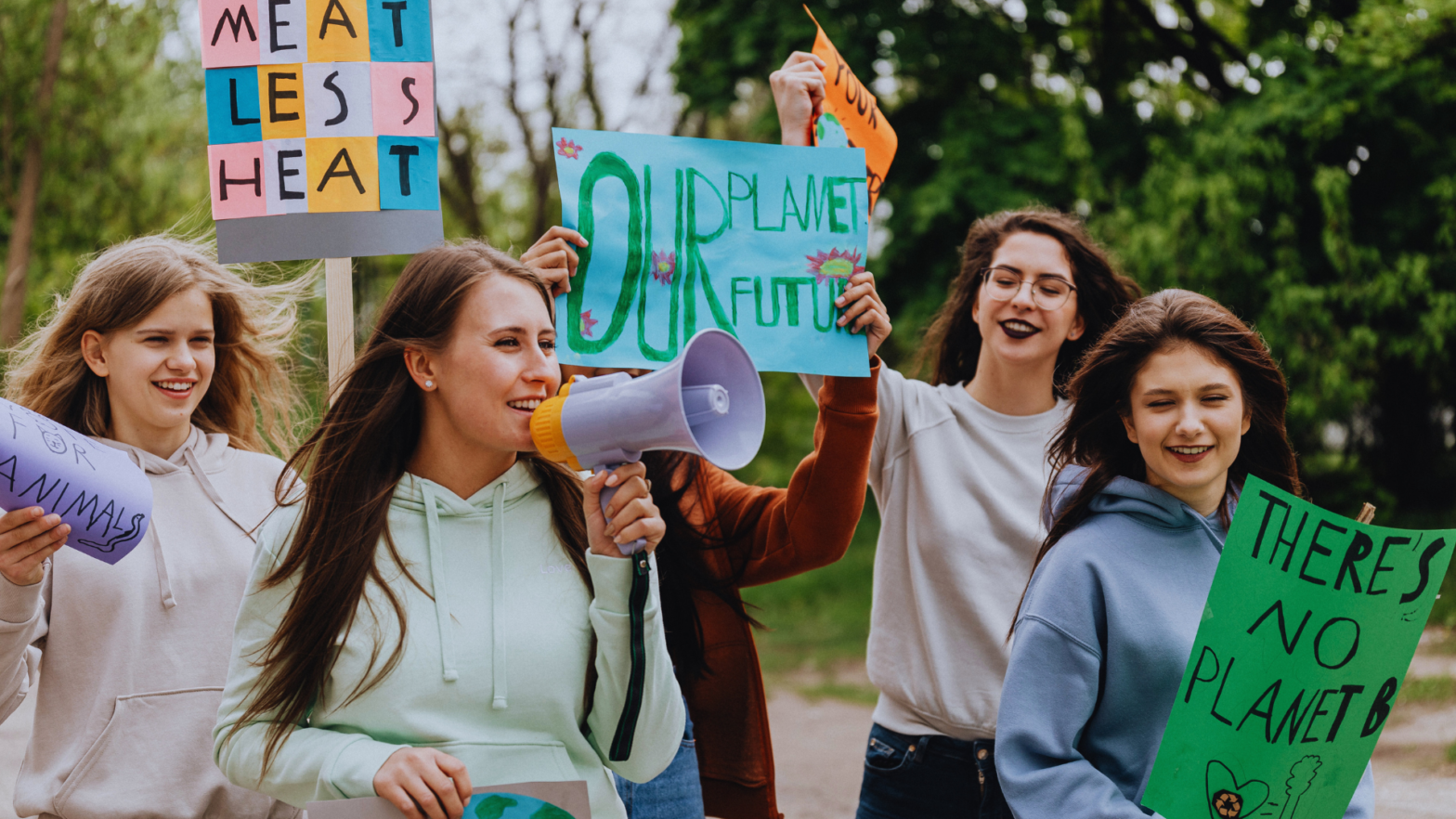
Youth activism has become a significant force in shaping environmental policy worldwide. Young people are demanding stronger climate action, using protests, social media, and legal challenges to hold governments accountable. Their persistent efforts are influencing lawmakers to adopt more ambitious targets for reducing emissions and protecting natural resources.
The impact of youth activism on environmental policy is evident in the growing number of policies that prioritise sustainability and climate justice, driven by the urgency conveyed by young advocates. This generation’s engagement is pushing environmental issues to the forefront of political agendas, prompting faster and more comprehensive responses.
As a result, environmental policy is increasingly reflecting the values and concerns of younger populations. Their activism encourages innovation and accountability, ensuring that long-term ecological health becomes a core consideration in policy decisions.
The Rise and Influence of Youth Activism in Environmental Policy
Youth activism has progressively shaped environmental policy through sustained engagement in climate action and mass mobilisation. From early grassroots movements to the recent global climate strikes, young people have pushed governments and institutions toward stronger environmental commitments.
Historical Development of Youth Environmental Activism
Youth involvement in environmental issues dates back to the late 1960s and early 1970s, coinciding with the first Earth Day in 1970. This event marked a critical shift, inspiring student-led groups to raise awareness about pollution and conservation.
During the 1980s and 1990s, youth activists contributed to campaigns against deforestation and acid rain, often working alongside established organisations. The digital age later enhanced their capacity to organise and spread information rapidly, enabling a more connected global youth movement.
Today, youth activism combines traditional protest with online advocacy, emphasising direct demands for policy changes on climate crises. This evolution shows how young people have consistently adapted to influence environmental agendas.
Key Moments and Movements: From Earth Day to Fridays for Future
Earth Day’s launch mobilised millions and highlighted the power of youth voices. The movement provided a foundation for future environmental youth-led movements worldwide.
The 2018 launch of Fridays for Future, initiated by Greta Thunberg, marked a pivotal moment. Her solitary school strikes grew into global climate strikes, involving millions of youth in over 150 countries. These events increased visibility for climate action demands like reducing carbon emissions and implementing sustainable policies.
Global climate strikes continue to pressure policymakers, often aligning with international climate conferences. Fridays for Future exemplifies how organised youth movements can shift public discourse and prompt legislative considerations.
Notable Youth Leaders and Symbols
Greta Thunberg has become the most recognised figure in youth environmental activism. Her clear messaging and persistent climate strikes inspired a worldwide movement known for its urgency and direct challenges to policymakers.
Other youth leaders, such as Vanessa Nakate from Uganda and Xiuhtezcatl Martinez from the United States, represent diverse global voices demanding climate action. Together, they symbolise a multigenerational call for environmental accountability.
Symbols like the green Fridays for Future logo and climate strike posters have become identifiers of this youth-led movement. These symbols visually reinforce the demand for immediate and substantial policy changes on climate issues.
Mechanisms Driving Change: How Youth Activism Reshapes Policy
Youth activism impacts environmental and climate policy through focused legal influence, strategic mobilisation, and formal engagement with institutions. These dynamics create new pathways for youth voices to affect climate governance and action worldwide.
Influencing Legislation and Climate Policy
Youth activists have increasingly shaped policy by advocating for stricter climate regulations and sustainable development laws. Through organised campaigns and direct lobbying, they press lawmakers to include youth participation in drafting environmental policy.
Notable examples include youth-led initiatives that have successfully pushed governments to adopt green energy commitments and carbon reduction targets. These efforts often result in official recognition of youth as key stakeholders in climate governance.
Their influence extends to international forums, where youth delegates call for equity and urgency in climate action strategies. This persistent involvement helps shift national policies toward inclusivity and long-term sustainability.
Mobilisation Strategies and Tools
Youth employ various digital and grassroots tactics to amplify their message. Social media platforms serve as critical tools for the coordination of climate strikes and awareness campaigns that engage broad demographics.
Grassroots movements mobilise local communities and link global networks to sustain pressure on policymakers. These strategies include petitions, public demonstrations, and educational workshops.
The combination of online reach and on-the-ground activities maximises youth engagement, increasing visibility and creating continuous momentum for policy change. This adaptability strengthens their role in climate advocacy structures.
Legal Actions and Institutional Engagement
Youth activists also use legal avenues to drive environmental progress. Litigation efforts challenge governments and corporations for failing to meet climate commitments or violating environmental laws.
Courts in multiple countries have heard youth petitions demanding accountability and more ambitious climate policies, encouraging policy revisions or enforcement. This use of legal frameworks demonstrates a pragmatic approach to climate governance.
At the same time, youth seek formal inclusion in climate governance bodies. Participation in advisory councils and international negotiations allows them to contribute direct expertise and perspectives, institutionalising youth input in decision-making.
Challenges and Opportunities for Youth Participation
Youth engagement in environmental policy faces hurdles related to authority and social dynamics, but also gains from education and institutional support. Their diverse backgrounds shape environmental justice efforts, while mental health concerns impact sustained participation.
Power Dynamics and Barriers to Recognition
Young activists often encounter resistance from established political and social structures. Decision-makers may disregard their input due to age or perceived inexperience, limiting meaningful participation.
Power dynamics concentrate influence among older generations, making it difficult for youth to access platforms where policy is shaped. This marginalisation affects recognition and inclusion in official negotiations.
However, youth-led groups leverage social media and global networks to amplify their voices. In countries like Korea, formal youth councils are emerging, offering structured opportunities, yet these remain limited in number and scope.
Intersectionality, Diversity, and Environmental Justice
Youth activism intersects with various social identities, influencing environmental justice goals. Marginalised communities often face disproportionate environmental harms, prompting youth activists to address these inequities.
Recognising diversity within youth movements ensures strategies include voices across race, gender, and socioeconomic status. This approach strengthens advocacy for policies benefiting both future generations and vulnerable populations.
Environmental justice campaigns frequently link to broader social issues, such as racial equity in urban pollution. Inclusive youth participation pushes policymakers to consider these complex, overlapping factors.
Role of Education and Institutions in Youth Empowerment
Environmental education in schools equips youth with knowledge and skills vital for activism. Curricula that integrate sustainability concepts encourage critical thinking and civic engagement.
Formal institutions, including governmental youth programs and NGOs, provide frameworks for youth development and policy input. In Korea, environmental education reforms have expanded these opportunities.
However, uneven access to quality education and institutional support can hinder participation. Strengthening partnerships between schools and policymaking bodies is crucial to empowering diverse youth voices.
Mental Health and Emotional Toll
Sustained youth activism involves significant emotional challenges. Exposure to ecological crises and policy setbacks contributes to anxiety, stress, and burnout.
Acknowledging these mental health impacts is essential for maintaining active engagement. Support structures, such as peer networks and counselling, help mitigate emotional strain.
Balancing activism with personal well-being remains a critical area for institutions supporting youth. Proactive measures enhance resilience and long-term commitment to environmental causes.
The Lasting Impact: Toward Sustainable Futures
Youth activism is driving concrete changes at multiple levels, influencing technology, political dialogue, and policy frameworks. Their efforts target solutions rooted in sustainability, aimed at reducing pollution, conserving biodiversity, and promoting renewable energy.
Youth-Led Innovations for Sustainability
Young activists have pioneered numerous projects to address environmental degradation with practical tools. Initiatives such as community-based recycling programs and affordable solar technology installations highlight local knowledge and grassroots action.
These innovations promote sustainable practices that are replicable worldwide. For example, youth-led startups frequently focus on bioplastics or urban farming to decrease pollution and conserve resources.
Many also leverage digital platforms to share open-source environmental solutions. This fosters broader adoption of sustainable policies and encourages entrepreneurial approaches aligned with green new deal agendas.
Shaping Global Environmental Conversations
Youth movements have gained prominence in international forums like the UN Climate Conferences. Their participation pressures leaders to prioritise sustainable policies and adopt commitments to reduce carbon emissions.
Public demonstrations and media campaigns led by youth amplify the urgency of biodiversity loss and pollution control. This visibility shifts public opinion and holds officials accountable for environmental degradation.
Youth activists emphasise intergenerational equity, insisting on long-term sustainability over short-term gains. Their consistent messaging has shifted global dialogues toward integrating conservation goals with economic planning.
Collaboration With Policymakers and Institutions
Increasingly, youth groups formalise partnerships with governments and NGOs to design sustainable policies. These collaborations focus on practical frameworks for renewable energy transition and pollution regulation.
By engaging in advisory councils and policy reviews, young activists inject fresh perspectives grounded in scientific data and community impact. This enhances policy effectiveness and fosters transparency.
Institutional support for youth-led programs also accelerates the implementation of conservation projects. Such cooperation ensures that youth voices shape sustainable futures beyond advocacy, directly influencing decision-making processes.



Leave a Reply