
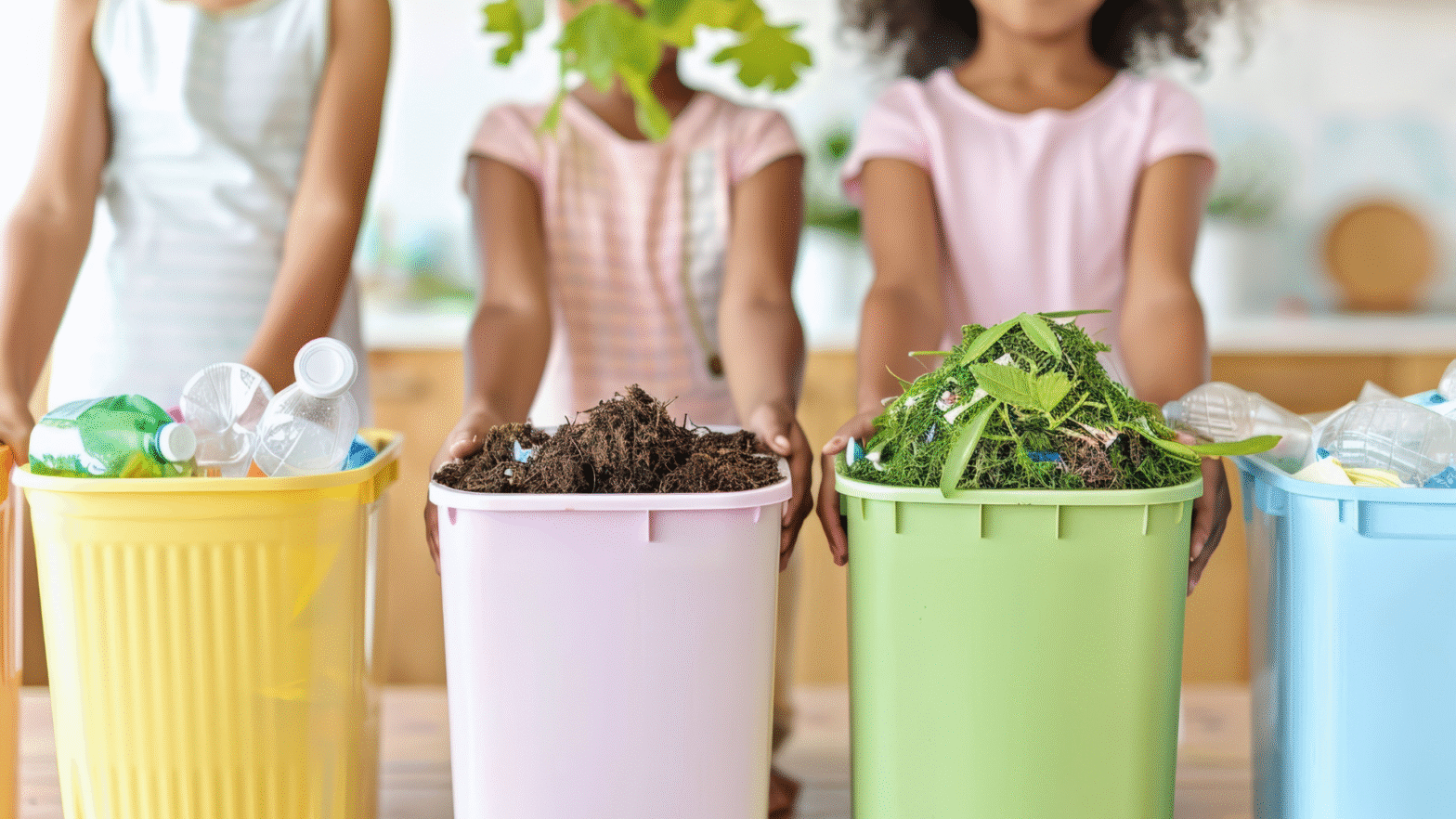
Reducing trash at home is not only a practical choice but also a significant step towards fostering a more eco-friendly lifestyle. Simple changes like switching to reusable bags, minimising single-use items, and practising mindful consumption can greatly reduce waste and help combat climate change. These small actions contribute to lower greenhouse gas emissions and a healthier planet for future generations.
Many individuals feel overwhelmed by the idea of going zero waste, but it’s easier than it seems. By assessing daily habits and finding alternatives to common products, they can create a more sustainable home environment. Whether it’s opting for food in bulk or composting organic waste, each effort counts in the larger fight against environmental degradation.
Embracing these easy strategies can lead to a cleaner home and contribute to a more sustainable world. With each choice made, they take a step toward reducing their carbon footprint and promoting a greener planet.
Understanding Waste at Home
Waste generated at home primarily includes plastic waste and food waste. By recognising what contributes to this waste, individuals can implement strategies to reduce their environmental impact effectively.
Assessing Your Household Trash
The first step in managing household waste is assessing its composition. A common approach is to categorise trash into main types, such as:
- Plastic Waste: Bottles, packaging, and bags.
- Food Waste: Leftovers, expired items, and peels.
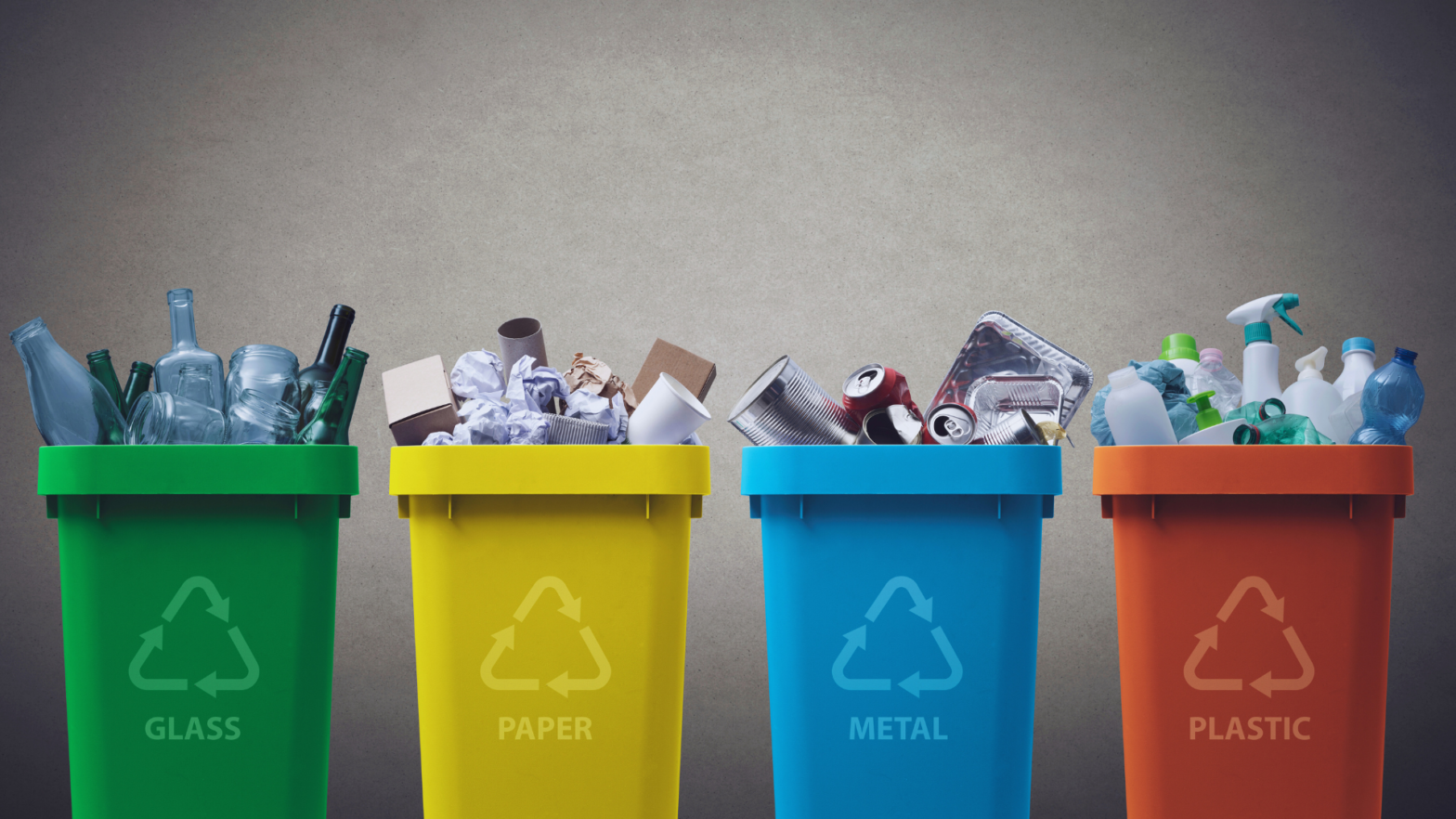
- Recyclables: Paper, glass, and metals.
Tracking the amount of trash produced weekly helps identify trends and areas for improvement. Keeping a trash journal or using an app can provide insights. This assessment allows for targeted actions, like reducing single-use plastics or improving composting efforts.
Environmental Impact of Domestic Waste
Domestic waste significantly contributes to greenhouse gas emissions. When organic materials decompose in landfills, they produce methane, a greenhouse gas more potent than carbon dioxide.
Plastic waste also poses severe environmental hazards. It often ends up in oceans, harming marine wildlife and ecosystems.
To visualise this impact:
- Methane emissions from food waste account for about 25% of total emissions.
- Each person generates an average of 4.6 pounds of trash daily, indicative of the ongoing challenges.
Awareness of these issues can motivate actions like proper waste separation and composting. Every individual’s effort can collectively lead to significant environmental benefits.
Strategies for Waste Reduction
Reducing waste requires a proactive approach at home. Simple strategies can lead to significant changes in daily habits and consumption patterns. The following techniques focus on specific alternatives and practices that can effectively diminish household waste.
Eliminating Single-Use Items
One effective way to reduce waste is by eliminating single-use items. These products, such as plastic straws, cutlery, and bags, contribute significantly to landfill pollution.
Individuals can replace these with reusable options. For example, using beeswax wraps instead of plastic wrap helps keep food fresh without generating waste. Reusable straws made from stainless steel or silicone are an excellent alternative to plastic straws.
Cloth napkins can replace paper towels, which are often used once and thrown away. By making small changes and opting for items designed for multiple uses, waste generation can decrease considerably.
Opting for Sustainable Products
Choosing sustainable products is essential for reducing household waste. Glass containers for storage are a durable alternative to plastic. They can be reused endlessly and are better for food storage.
When purchasing cleaning supplies, individuals should opt for concentrated products that require less packaging. This can include buying refills rather than new containers, which significantly cuts down on plastic waste.
Investing in high-quality items that last longer, such as stainless steel water bottles, can also reduce the need for disposables. Sustainable products may require a higher upfront cost, but save money and waste over time.
Mindful Shopping Habits
Adopting mindful shopping habits involves being intentional about purchases. Creating a shopping list helps avoid impulse buys, which often lead to unnecessary waste.
When shopping for groceries, individuals should consider bulk items to minimise packaging waste. Bringing reusable bags to stores is another straightforward step toward reducing dependency on plastic.
Moreover, checking for products with minimal or compostable packaging can greatly influence waste levels. By making thoughtful decisions at the store, individuals contribute positively to waste reduction, benefiting both their household and the environment.
Recycling and Composting at Home
Engaging in effective recycling and composting practices can significantly reduce household waste. By following structured approaches for recycling and establishing a composting system, individuals can manage waste more efficiently and promote sustainable living.
Effective Recycling Practices
Recycling starts with understanding local recycling programs. Many communities have specific guidelines about what can be recycled. Common recyclable materials include:
- Paper: Newspaper, cardboard, and office paper.
- Plastics: Most plastic containers and bottles (check for recycling symbols).
- Metals: Aluminium cans and tin cans are widely accepted.
To maximise recycling efforts, clean recyclables to remove any food or residue. Avoid wish-cycling; only place items in the bin that are accepted. Engaging children and family members can create a household culture of recycling. Consider setting up designated bins for each recyclable material to streamline the process.
Setting Up a Composting System
Creating a composting system at home can divert a significant amount of waste from landfills. A basic compost bin can be made from wood pallets or store-bought bins. Important components of a successful composting system include:
- Green materials: Grass clippings, fruit and vegetable scraps, and coffee grounds.
- Brown materials: Dried leaves, shredded paper, and cardboard.
Balancing these materials helps in creating a healthy compost. It’s essential to maintain moisture levels and aerate the pile regularly. In approximately three months, compost can be ready for use in gardens or as a soil amendment.
Reducing Food Waste Through Composting
Reducing food waste is vital for sustainable living. Composting helps mitigate the disposal of organic waste. Households can track food purchases and leftovers to minimise waste. Some strategies include:
- Meal planning: This can help in purchasing only what is necessary.
- Using leftovers: Creativity in repurposing meals can prevent food from going to waste.
- Food scraps: Encourage composting of inedible food scraps and peels.
By adopting these practices, households not only decrease trash but also contribute to a healthier environment. Using compost enriched with food waste returns nutrients to the soil, promoting a cycle of sustainability.


Leave a Reply