

Climate policy directly influences many aspects of daily life, from the energy people use at home to the products they buy. Changes in regulations often lead to shifts in transportation options, food availability, and even housing standards.
By setting rules on emissions, energy sources, and resource use, climate policy shapes the choices individuals and businesses make each day. This means that decisions made in government impact everything from fuel prices to the efficiency of household appliances.
These policies also affect job markets and local economies by encouraging new industries and phasing out others. Understanding how climate policy works helps explain why everyday activities like commuting, shopping, and managing energy can look different over time.
How Climate Policy Shapes Health and Well-Being
Climate policy affects health by targeting factors like air pollution and the spread of climate-sensitive diseases. It also addresses how rising temperatures influence respiratory conditions and vector-borne illnesses.
Air Quality Improvements and Public Health
Policies that reduce greenhouse gas emissions often lower air pollutants such as particulate matter and nitrogen dioxide. These reductions lead to fewer cases of asthma, chronic bronchitis, and cardiovascular diseases.
For example, regulations on vehicle emissions and industrial pollution directly improve urban air quality. This benefits vulnerable groups, including children and the elderly, who are more sensitive to poor air quality.
Cleaner air also reduces healthcare costs by decreasing hospital admissions for respiratory and heart conditions. Investments in renewable energy and energy efficiency play critical roles in sustaining these improvements.
Addressing Climate-Driven Diseases
Climate policies that mitigate rising temperatures and extreme weather events help control diseases that worsen with climate change. Vector control programs target mosquitoes that spread diseases like malaria, dengue, and the Zika virus.
By reducing standing water and improving sanitation, policies limit breeding grounds for disease vectors. Additionally, early warning systems and public health campaigns support rapid responses to outbreaks linked to climate shifts.
These efforts contribute to lower infection rates and protect communities in high-risk regions. They also address social disparities by ensuring vulnerable populations receive necessary resources and education.
Impact on Respiratory Illness and Malaria
Rising temperatures and increased air pollution exacerbate respiratory illnesses such as chronic obstructive pulmonary disease (COPD) and asthma. Climate policies that limit fossil fuel use help reduce exposure to harmful pollutants.
At the same time, warmer climates expand the habitat range of malaria-carrying mosquitoes. Policies focusing on climate adaptation include expanding healthcare infrastructure and access to preventive measures like insecticide-treated nets.
Combined mitigation and adaptation strategies are crucial to managing the dual challenges of respiratory illness and malaria in the context of climate change. These policies directly influence community health outcomes by controlling environmental risks.
Impacts on Housing, Livelihoods, and Community Resilience
Climate policy decisions directly influence housing stability, employment patterns, and how communities prepare for extreme weather. These effects are especially evident in areas prone to floods and other climate-related risks, shaping access to resources and economic opportunities.
Housing Security and Affordability
Climate policy often requires stricter building codes and zoning laws to reduce damage from floods and storms. These regulations, while improving safety, can raise construction and maintenance costs. In the United States, areas with high flood risks face rising insurance premiums and increased repair expenses, impacting housing affordability.
Communities near coastlines or floodplains see displacement risks when policies restrict rebuilding in vulnerable zones. This can lead to housing shortages and higher demand in safer areas. Subsidies and incentives for climate-resilient construction aim to counteract these pressures but vary widely by region.
Supporting Vulnerable and Marginalised Groups
Climate policies must address disproportionate impacts on low-income populations and marginalised groups, who often live in high-risk areas with poor infrastructure. Floods and extreme weather events exacerbate existing inequalities, with limited access to evacuation resources or recovery aid.
Programs targeting these groups include emergency response funding, affordable housing projects, and improved public services. Equitable climate policy integrates social services with environmental planning to reduce the risks faced by the most vulnerable populations, including elderly and disabled residents.
Shifts in Livelihoods and Employment
Changing climate regulations influence job markets by pushing industries toward sustainability. Sectors reliant on fossil fuels decline while renewable energy, construction for resilient infrastructure, and environmental management grow. This transition affects workers and communities differently across the United States.
Some regions experience job losses in traditional industries, increasing economic vulnerability. Workforce retraining and investment in green jobs are key policy tools to support workers through these shifts. Adaptation measures also create new local employment in areas prone to climate hazards, like flood defence projects and disaster response services.
Food Security, Supply Chains, and Everyday Choices
Climate policy affects food availability, production methods, and daily consumption habits. Changes occur due to shifts in agricultural practices, weather-related disruptions, and efforts to cut carbon emissions in transport and storage.
Changes in Food Production and Food Security
Climate policies promote sustainable farming techniques to reduce carbon emissions. This results in altered crop choices and irrigation practices, impacting yield volumes and food variety.
Extreme weather events, like droughts and floods, challenge food security by damaging crops and livestock. These effects require adjustments in national food reserves and emergency response planning to ensure stable supplies.
Farmers increasingly adopt precision agriculture and crop diversification. These measures improve resilience but can increase production costs, which may affect the prices consumers pay.
Supply Chain Disruptions and Adaptation
Supply chains face increased risks from extreme weather disrupting transport routes and storage facilities. Climate regulations also enforce stricter emissions standards on transportation fleets.
Companies adapt by investing in local sourcing to reduce carbon footprints and minimise delays. Cold storage and logistics are upgraded for energy efficiency, compliant with new policies.
These changes bring challenges like higher operating costs and supply uncertainties. However, they promote more robust and transparent food distribution networks.
Influence on Consumer Behaviour and Cultural Practices
Consumers are encouraged to choose low-carbon foods, such as plant-based options, due to climate-related health and environmental campaigns. This influences shopping habits and diet compositions worldwide.
Cultural food practices evolve with a greater emphasis on seasonal and locally produced items. Some traditional foods decline as supply chains shift to sustainable models.
Education on food waste reduction and carbon impact has become common. These campaigns aim to align daily choices with broader climate goals while respecting cultural diversity.
Economic Landscape and Policy Tools for Daily Life
Climate policy influences the economy by adjusting costs and benefits linked to energy use and emissions. It shapes how individuals, businesses, and governments allocate resources, and it drives shifts toward sustainable practices through targeted mechanisms.
Carbon Pricing and Economic Incentives
Carbon pricing assigns a cost to carbon emissions, encouraging lower emissions by making polluting activities more expensive. This can take the form of carbon taxes or cap-and-trade systems.
These mechanisms motivate companies to innovate and invest in cleaner technologies. For consumers, carbon pricing can increase fuel and energy costs, prompting more energy-efficient choices.
Governments often recycle revenue from carbon pricing into subsidies for renewable energy or rebates to ease the financial burden on low-income households. This economic incentive structure effectively links environmental impact with financial consequences.
Renewable Energy Transitions
Shifting to renewable energy sources such as solar and wind reduces reliance on fossil fuels and lowers carbon emissions. Policy tools include subsidies, tax credits, and mandates requiring renewable energy adoption.
These policies lower the cost of renewable technology, making clean energy more accessible for households and businesses. They also promote job creation in manufacturing, installation, and maintenance sectors tied to renewables.
Consumers benefit directly by reducing energy bills and indirectly through improved air quality. The transition supports grid modernisation, increasing reliability and efficiency in daily power use.
Education and Public Awareness
Educational programs inform the public about the impact of carbon emissions and the benefits of sustainable practices. Clear communication helps people understand how their choices affect the environment and economy.
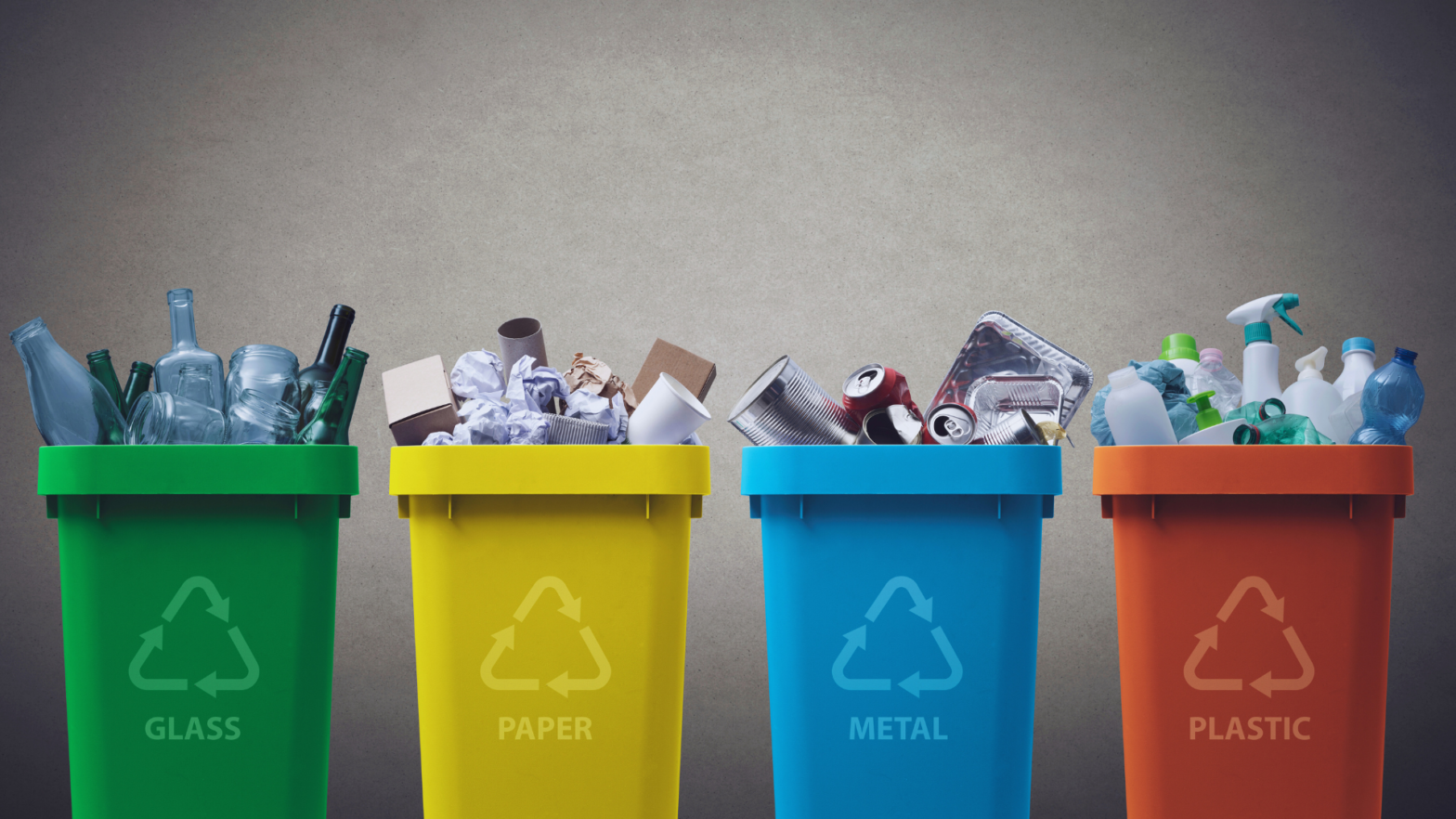
Public awareness campaigns often highlight simple actions like reducing energy consumption, recycling, and using public transport. Schools and community groups integrate climate education to foster long-term behavioural change.
Better-informed citizens are more likely to support supportive climate policies and adopt energy-efficient technologies, reinforcing the effectiveness of economic tools and renewable energy initiatives.


Leave a Reply