

Creating an eco-friendly home is not just a trend; it’s a vital step towards sustainability. Simple changes can significantly reduce energy use, lower utility bills, and lessen environmental impact. By making conscious choices, individuals can create a more sustainable living space that benefits both them and the planet.
Incorporating energy-efficient appliances, utilising renewable resources, and ensuring proper insulation are effective strategies for maintaining a greener home. These adjustments, whether large or small, contribute to a healthier environment while increasing comfort in daily living.
Making the transition to an eco-friendly home may seem daunting, but it often results in long-term savings and a more sustainable lifestyle. By adopting environmentally responsible practices, homeowners can experience the benefits of reduced energy consumption and an overall healthier living space.
Maximising Energy Efficiency
Maximising energy efficiency involves strategies that reduce energy consumption while maintaining comfort. Key components include insulation, modern appliances, and smart technology, all aiming to lower energy use and the carbon footprint.
Insulation and Weatherization
Proper insulation significantly impacts energy efficiency. It minimises heat transfer, ensuring homes remain warm in winter and cool in summer. Recommended insulation types include fibreglass, foam board, and spray foam.
Weatherization is equally important. Sealing leaks around windows, doors, and other openings prevents conditioned air from escaping. Homeowners should consider adding weatherstripping or caulking to enhance this effectiveness.
To further improve efficiency, insulating attics, basements, and crawl spaces is crucial. Materials such as cellulose or mineral wool can be effective here. Combining insulation and weatherization reduces energy consumption, contributing to lower utility bills and a reduced carbon footprint.
Energy-Efficient Appliances
Upgrading to energy-efficient appliances is a direct method to cut energy use. When shopping, look for the Energy Star label, indicating appliances that meet specific efficiency standards.
Key appliances to consider include refrigerators, washers, and HVAC systems. For example, energy-efficient refrigerators use up to 50% less energy compared to older models. Homeowners can also evaluate smart features in appliances. These features allow users to monitor and adjust usage patterns, further enhancing energy efficiency.
For households wanting efficient laundry without a large upfront purchase, renting modern machines can be a practical alternative. Many providers of Washer & dryer rental programs supply Energy Star–rated units and handle full-service delivery, professional installation, and on-going maintenance so appliances stay efficient over time. This approach is especially useful for renters and multi-family properties where flexibility and minimal downtime matter. Ensuring machines are properly installed and regularly serviced helps preserve the energy savings described above while avoiding the cost and hassle of replacements.
Now, proper maintenance, such as cleaning filters and checking seals, keeps these appliances running at their best. For such upkeep, it can be beneficial to rely on experts who can thoroughly inspect, repair, and fine-tune the appliances. For instance, if the household HVAC system is facing problems, turning to technicians from companies like Metro Plumbing Heating & Air can ensure the units are serviced efficiently, maintain peak performance, and avoid costly future repairs.
Smart Home Technology
Smart home technology facilitates better energy management. Smart thermostats learn patterns and optimise heating and cooling, resulting in reduced energy use. They can adjust settings based on occupancy or time of day.
Smart lighting systems also contribute to efficiency. Using LED bulbs and automated control reduces wasted energy by ensuring lights are only on when needed.
Furthermore, home energy monitors can provide real-time data about consumption. Awareness of usage patterns allows homeowners to make informed adjustments, significantly lowering energy costs and carbon footprints.
Renewable Energy Solutions
Adopting renewable energy solutions can significantly reduce a home’s carbon footprint while providing sustainable power. Two primary options are solar energy systems and other renewable sources.
Solar Energy Systems
Solar panels are a prominent choice for residential energy needs. They capture sunlight and convert it into electricity, which can power homes, reduce energy bills, and decrease reliance on fossil fuels.
Key benefits include:
- Cost Savings: Homeowners can save on utility bills, especially in regions with ample sunlight.
- Government Incentives: Many places offer tax credits or rebates for installing solar systems.
- Energy Independence: These systems enable homeowners to generate their own electricity.
The average return on investment for solar systems typically ranges from 5 to 15 years, depending on local conditions and incentives.
Other Renewable Sources
In addition to solar energy, several other renewable options can enhance a home’s sustainability.
- Wind Energy: Small wind turbines can generate power for residential use, especially in areas with consistent wind.
- Geothermal Heating: This technology utilises the Earth’s natural heat for climate control, resulting in lower energy consumption for heating and cooling.
- Biomass: Biomass systems convert organic materials into energy, providing a renewable way to manage waste while generating heat or electricity.
Each renewable option can make a significant impact on energy use, contributing to a greener footprint. Careful consideration of location, installation costs, and local regulations will help homeowners make informed decisions.
Sustainable Living and Waste Reduction
Adopting sustainable living practices significantly reduces waste and conserves resources. Effective waste management, choosing sustainable materials, and implementing water conservation strategies are crucial steps in this process.
Waste Management and Recycling
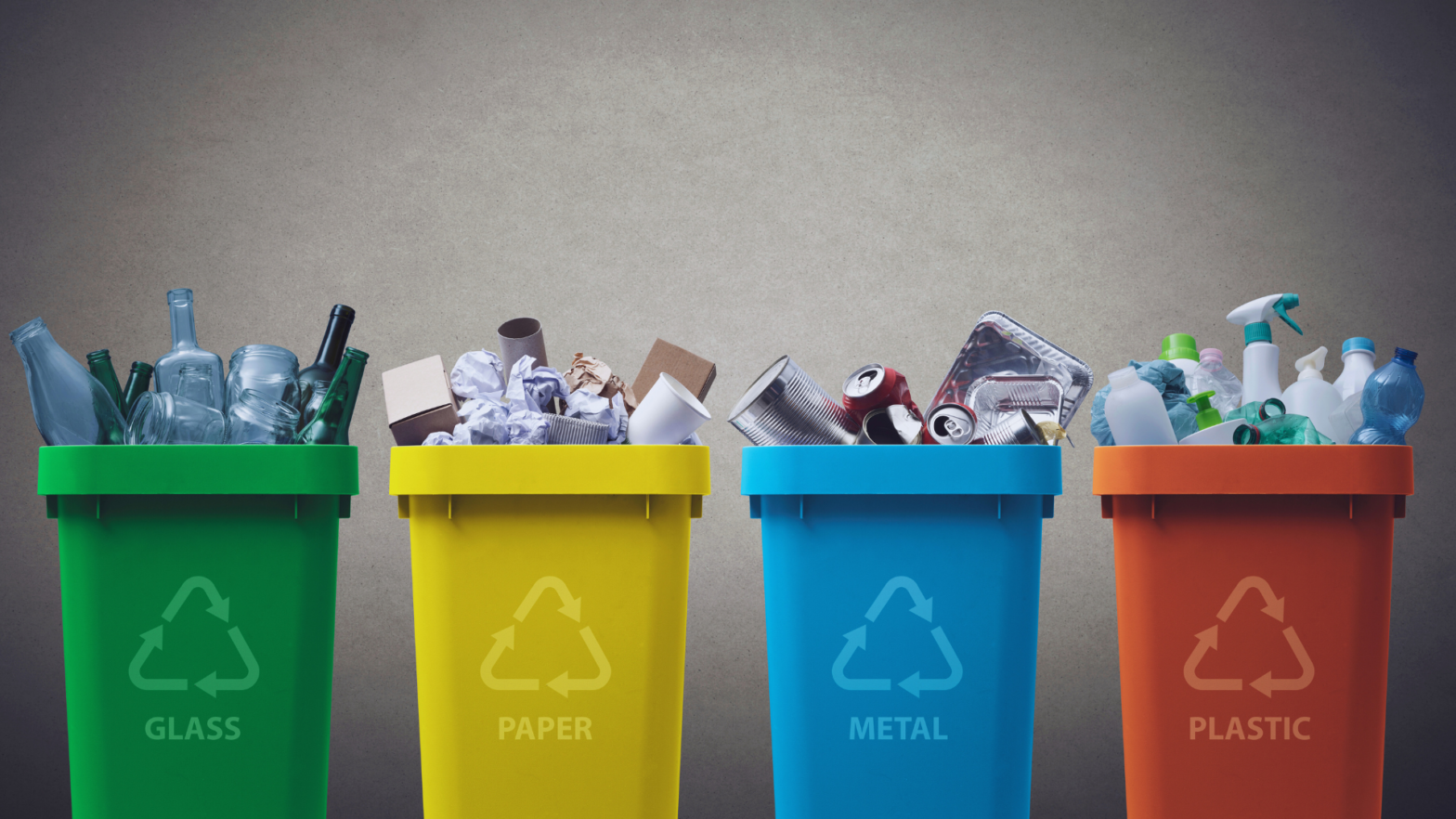
Effective waste management begins with understanding what can be recycled or composted. Many materials, such as paper, cardboard, glass, and certain plastics, are recyclable. Using a recycling bin can make separating waste straightforward.
Composting organic waste, like food scraps and yard waste, reduces landfill contributions. Composting not only minimises waste but also creates a nutrient-rich soil amendment. The composting process should involve a mix of green (nitrogen-rich) and brown (carbon-rich) materials to ensure effective breakdown.
Homeowners should stay informed about local recycling guidelines to maximise recycling efficiency. This may include checking local programs for specific items or drop-off locations. Engaging the community in recycling efforts can also enhance the overall impact.
Choosing Sustainable Materials
When purchasing furniture or home goods, selecting sustainable materials is essential. Look for items made from renewable resources, such as bamboo or reclaimed wood. These materials have a lower environmental impact compared to traditional hardwoods.
Additionally, consider products with minimal packaging to reduce waste. Many manufacturers now offer eco-friendly options. Certifications like FSC (Forest Stewardship Council) indicate the responsible sourcing of wood products.
Working with energy efficient home builders can also help ensure that the materials and design choices in the living space align with broader sustainability goals, creating a home that is both eco-conscious and cost-effective in the long run.
Durability matters as well; investing in high-quality items ensures longevity, reducing the need for frequent replacements. This practice contributes to less waste and conserves energy used in production and transportation processes.
Water Conservation Strategies
Implementing water conservation strategies can greatly reduce home water use. Simple practices include fixing leaks promptly and using water-efficient fixtures. Low-flow showerheads and faucet aerators significantly cut water usage.
Rainwater harvesting systems offer another effective solution. Capturing rainwater for garden use or other non-potable applications helps reduce reliance on the municipal water supply.
Utilising drought-resistant landscaping can also minimise water requirements. Selecting native plants that thrive in local climates promotes ecological balance and reduces maintenance. Prioritising water conservation is a vital part of sustainable living.
For homes looking to reduce reliance on municipal water, installing a private well can be an effective solution. Proper well drilling in Florida ensures a reliable water source that supports rainwater harvesting, drought-resistant landscaping, and other water conservation efforts, helping homeowners maintain sustainable and efficient water use.
Developing Eco-Friendly Habits
Creating an eco-friendly home involves developing specific habits that promote sustainability and energy efficiency. These habits can significantly reduce waste and cultivate a sense of environmental responsibility among all household members.
Educating Household Members
To establish eco-friendly habits, educating all household members is essential. This can include teaching about the benefits of conserving energy, such as reducing utility bills and mitigating climate change effects.
Tips for Effective Education:
- Use Visual Aids: Charts illustrating energy consumption can help.
- Organise Workshops: Practical sessions on recycling or composting can be engaging.
Ensuring everyone understands the importance of sustainability fosters collective responsibility. Engaging children in fun, eco-friendly activities, like gardening or crafting from recycled materials, can build lifelong habits.
Regular Maintenance and Upkeep
Regular maintenance of home appliances and systems ensures they operate efficiently. This reduces energy consumption significantly.
Key Maintenance Areas:
- Heating and Cooling Systems: Schedule annual inspections to ensure efficiency.
- Insulation and Sealants: Check for drafts and repair any leaks.
Performing routine checks can prevent larger issues, cutting down on energy usage. Implementing smart home technology, such as programmable thermostats, can optimise energy savings.
Community Interaction and Support
Engaging with the community supports broader eco-friendly efforts. Local groups often provide resources and share best practices.
Ways to Get Involved:
- Join Local Clean-Up Events: Participate in community efforts to reduce litter.
- Support Local Farmers: Buying organic or sustainable products supports sustainable agriculture.
Engaging with neighbours and local organisations fosters connections and amplifies the impact of individual efforts. Sharing knowledge within the community leads to collective action toward sustainable living.


Leave a Reply