
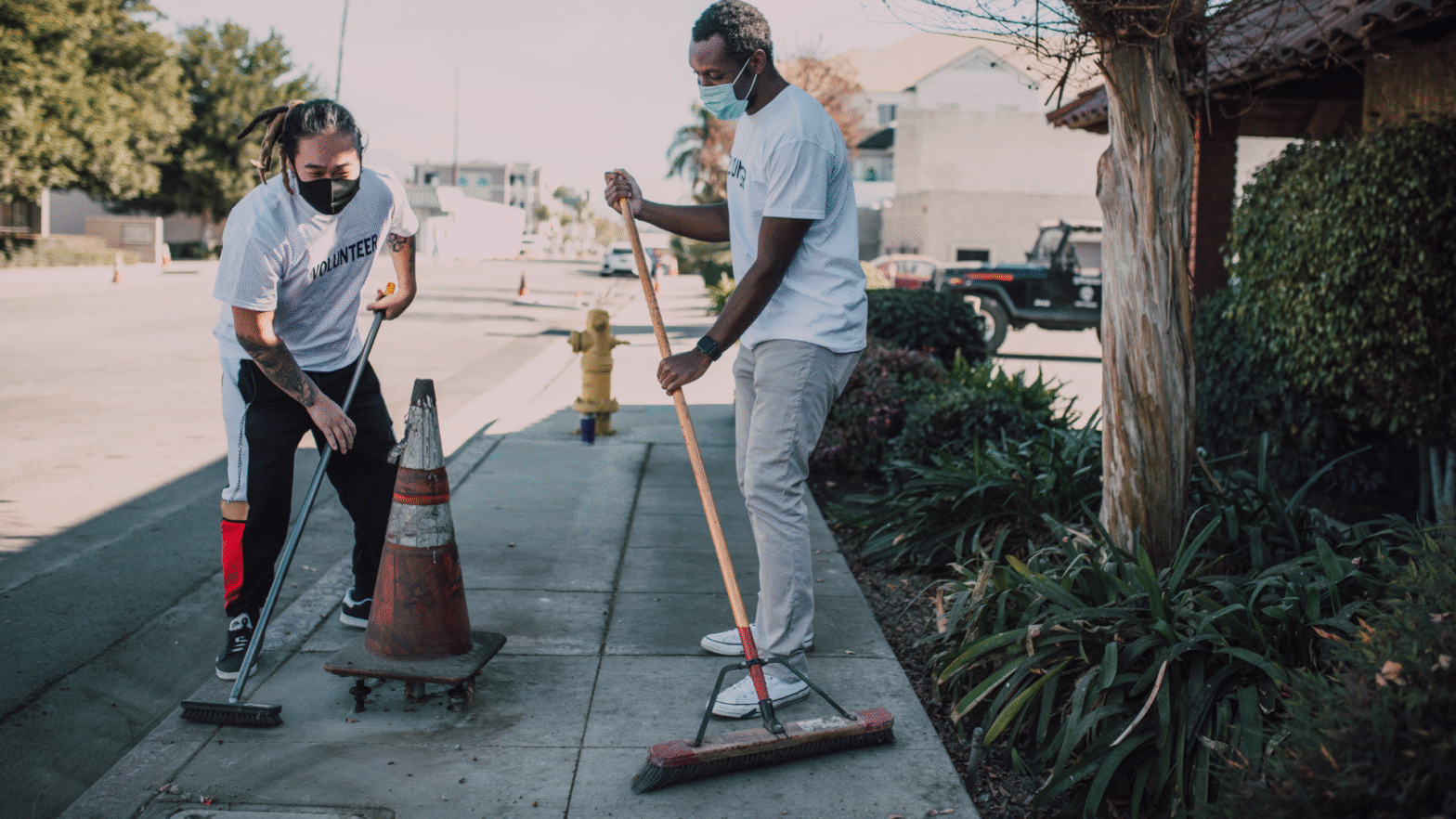
Engaging in neighbourhood clean-up days can significantly enhance both the environment and community spirit. To successfully plan these events, one must focus on collaboration, clear communication, and a shared vision for a cleaner neighbourhood. By uniting residents, neighbourhood associations can mobilise volunteers and resources effectively, making a tangible impact on local spaces.
Effective planning starts by selecting a date and location that works for the majority of community members. Creating awareness through flyers, social media, and local meetings can attract more participants. Involving local businesses or organisations may also help provide supplies, refreshments, or incentives, thereby fostering a sense of ownership and community involvement.
A well-organised clean-up day not only beautifies the area but also instils pride among residents. Organisers should encourage team spirit by assigning specific tasks and promoting friendly competition. This approach not only amplifies the effectiveness of the clean-up but also strengthens community ties, making future clean-up efforts even more successful.
Forming a Cleanup Committee
Creating an effective cleanup committee requires careful planning and organisation. By recruiting dedicated volunteers, establishing clear goals, and collaborating with local organisations, the committee can maximise its impact on the neighbourhood.
Recruiting Volunteers
To recruit volunteers, one effective approach is to leverage social media platforms. Creating an event page can help generate interest and provide essential information such as the event name, date, and location. Additionally, flyers posted in local community centres and neighbourhood shops can attract potential participants.
Engaging local schools, clubs, and community organisations is also beneficial. Offering incentives such as refreshments or community service hours may encourage participation. Ensure to create an online sign-up form to streamline the registration process, making it easy for volunteers to join.
Setting Goals and Objectives
Establishing specific goals for the cleanup event is crucial for its success. The committee should outline the areas that require the most attention, such as parks, sidewalks, or vacant lots. Setting measurable objectives helps track progress.
For example, they might aim to collect a specific amount of litter or restore a certain area by a designated date. Besides one time cleaning, maintaining long term cleanliness in residential areas can require constant, reliable waste management. Services, such as those provided by Trash Sergeant, or a similar firm, can help in reducing the amount of litter that accumulates, which can be a preventative measure to complement the community cleanups. Having clear objectives not only motivates volunteers but also provides a framework for evaluating success after the event. Regular check-ins and updates keep everyone focused and engaged.
Partnership With Neighbourhood Association
Collaboration with the neighbourhood association is essential for sustained community involvement. The association may offer support through resources, such as equipment and waste disposal services. This partnership can enhance credibility and attract more volunteers.
Regular meetings with the association can facilitate communication regarding event planning and logistics. They may also promote the cleanup day through their channels, increasing visibility. This collaboration fosters a sense of ownership and community spirit, benefiting both the cleanup efforts and the neighbourhood as a whole.
Event Planning and Organisation
Effective planning is essential for a successful community clean-up event. Organising a clean-up requires careful consideration of logistics, safety, and communication to engage participants and ensure that the event runs smoothly.
Choosing a Date and Location
Selecting the right date involves balancing community schedules and weather conditions. Weekends often attract more volunteers, while seasonal factors should also influence the decision.
When choosing a location, prioritise areas like neighborhood parks or community gardens that need attention. Accessibility is crucial, so consider public transport options and parking availability. Collaborate with local authorities to secure necessary permissions.
A good strategy is to create a short list of potential locations and propose dates to community members for feedback. Engaging locals early encourages participation and builds enthusiasm.
Supply and Material Coordination
Gathering supplies is a vital step in the planning process. Consider what tools and materials are needed for the clean-up. Common items include:
- Trash bags
- Gloves
- Rakes and brooms
Local businesses often provide donations or discounts, so reaching out can help minimise costs.
Create an organised checklist to track supplies and monitor inventory leading up to the event. Designate a specific area for collecting materials and arrange for their distribution to teams on event day.
Don’t forget to include safety materials, such as first-aid kits and instructions for handling hazardous waste, which can arise during clean-up efforts.
Safety and Hazard Management
Safety is a top priority during any community clean-up. Conduct a risk assessment prior to the event to identify potential hazards in the chosen area.
Plan for the proper disposal of hazardous materials, such as batteries or chemicals, which should not be mixed with regular waste. Collaborate with local waste management services to ensure safe handling and disposal.
Provide clear instructions to volunteers on safety protocols. Brief participants on appropriate attire, such as closed-toe shoes and gloves, and ensure that first-aid kits are readily accessible. Establish clear communication between team leaders to address any issues promptly.
Promotion and Outreach
Effective promotion ensures high participation rates. Utilising social media platforms is a powerful way to reach community members. Create an engaging event page that includes details such as date, time, location, and the significance of the clean-up. Consider adding high-visibility onsite branding like printed gazebos or banners at the sign-in and refreshment areas to catch attention and reinforce the message.
Consider creating flyers and distributing them in local businesses or community centres. Engaging local influencers can help spread the word and create a buzz surrounding the event.
Encourage community members to invite friends and family to enhance turnout. Utilise hashtags specific to the neighbourhood to build online engagement. Regular updates leading up to the event will keep interest levels high.
Executing the Cleanup Day
Executing a cleanup day requires careful coordination and clear communication. Proper planning enhances volunteer engagement and ensures effective waste management. The following sections cover volunteer management, waste collection strategies, recycling practices, and ways to document the event.
Volunteer Assignments and Management
Assigning roles to volunteers is crucial for an organised cleanup. One effective approach is to categorise tasks into manageable sections, such as litter collection, recycling, and logistics.
- Team Leaders: Designate a few experienced volunteers as team leaders. They can guide groups and help with decision-making.
- Responsibilities: Clearly outline each volunteer’s responsibilities. For example, focus on assigning individuals to specific areas of the neighbourhood.
Using a sign-up sheet can streamline coordination. This allows volunteers to choose tasks that align with their interests. Additionally, provide contact information for team leaders to address questions on the day of the event.
Waste Collection and Segregation
Establishing a waste collection strategy is essential for effective cleanup. Volunteers should be instructed to collect waste in designated bags or bins.
- Colour-Coded Bags: Use different colored bags for various waste types:
- Green for recyclables
- Black for general waste
- Blue for compostable items
Provide clear guidelines about what goes in each bag. Inform volunteers about common recyclable materials, such as paper, plastic, and glass, to encourage proper segregation.
Regular check-ins during the event can help manage waste collection efficiently. Team leaders should monitor each area to ensure volunteers maintain their focus and that bags are not overflowing.
Recycling and Disposal
Effective recycling practices contribute to environmental sustainability. Volunteers should be educated on local recycling protocols to facilitate proper disposal.
- Drop-off Locations: Identify nearby recycling facilities or drop-off points ahead of time.
- Composting: If applicable, inform volunteers about composting organic waste.
During the cleanup, have a designated area for collecting recyclables. Team leaders can guide volunteers on how to carefully separate items to avoid contamination. Educating participants on the benefits of reducing waste reinforces the importance of community service.
Documenting the Event
Documenting the cleanup day can serve as a great motivation for future events. Before-and-after photos can effectively showcase the group’s contributions.
- Photography: Assign a volunteer or a group to capture images throughout the day. They should take photos of both the cleanup in action and the area afterwards to highlight results.
- Social Media: Utilise community social media platforms to share successes. Posting photos and updates can increase visibility and encourage further participation.
Encourage volunteers to share their experiences and testimonials. Collecting written feedback may help refine future cleanup days and strengthen community ties.
Post-Cleanup Efforts and Maintenance
Planning for post-cleanup actions is crucial for sustaining the benefits of a neighbourhood cleanup. This includes evaluating the cleanup’s effectiveness, establishing routine maintenance, and educating residents to prevent future issues.
Evaluating Cleanup Success
After a cleanup day, teams should assess the effectiveness of their efforts. This can include:
- Collecting Data: Track the amount of trash collected, areas cleaned, and improvements in local aesthetics.
- Resident Feedback: Gather opinions from participants about the experience and visibility of improvements.
- Identifying Areas for Future Action: Determine locations needing ongoing attention or additional resources.
Conducting surveys can provide qualitative data that illuminates community sentiment. Engaging with local environmental groups, like American Rivers, can enhance credibility and identify best practices for future events.
Undertaking Ongoing Maintenance
Sustaining the benefits of cleanup efforts requires a plan for maintenance. Establish strategies to keep the area clean and well-maintained, including:
- Regular Clean-Up Events: Organise quarterly or semi-annual cleanups to keep momentum.
- Adopt-a-Street Programs: Encourage local residents or businesses to take responsibility for specific areas.
- Waste Management: Liaise with local authorities for adequate trash and recycling services, ensuring accessibility to residents.
Consider planting native vegetation in cleaned areas. This supports conservation and reduces the need for fertilisers and pesticides, contributing to a healthier environment.
Educating for Future Prevention
Long-term success depends on community awareness and education about environmental impacts. Implement education programs focusing on:
- Sustainable Practices: Teach residents about reducing waste, using eco-friendly products, and responsible disposal.
- Environmental Workshops: Collaborate with local advocates to conduct workshops that highlight conservation efforts and river cleanup techniques.
- School Involvement: Partner with local schools to integrate environmental education into curricula.
Utilising social media platforms and local newsletters can effectively share information about community beautification efforts. Ongoing education fosters a sense of responsibility among residents, helping to prevent litter and promote neighbourhood pride.04/08/2025




Leave a Reply