
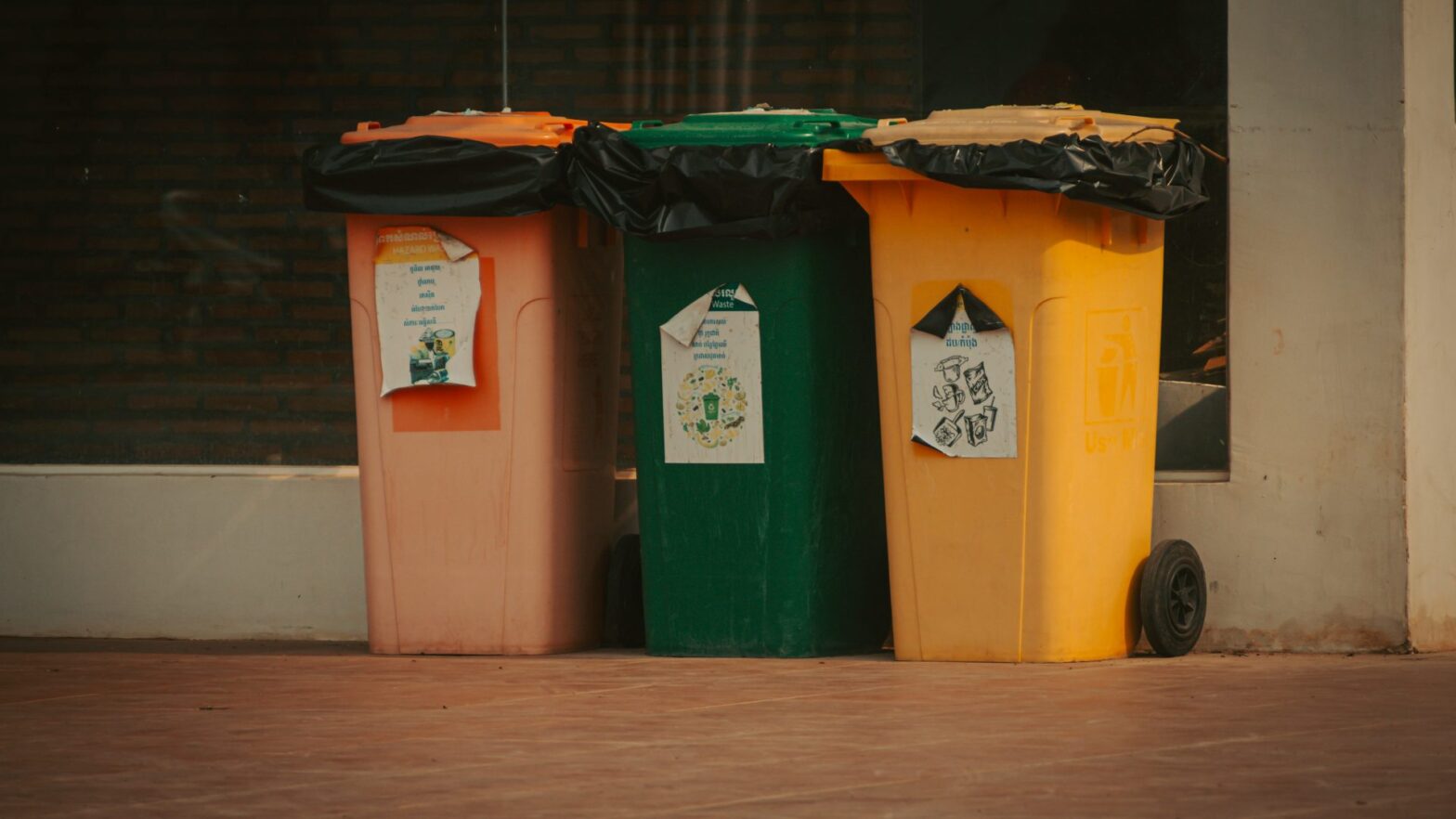
Keeping a home clean feels easier when everyone knows where each item goes. Bins help with that. When rubbish goes in the right place, rooms stay clear, bad smells fade, and fewer pests show up. The best part is that it saves time later. You do a small sort now and avoid a big mess next week.
Why simple sorting matters
A home runs smoother when the rules are easy. One rule per bin works well. General waste holds things that cannot be reused. Recycling holds paper, cardboard, hard plastic, metal, and glass. Food and garden waste holds peels, coffee grounds, grass, and small branches. When these three streams stay clean, trucks take less to landfill and more to new use. That means cleaner streets and less cost for councils and families.
Your main bins at a glance
Most homes use three bins. The colours can change by council area, but the jobs stay the same.
General waste is for items that do not fit the other bins. Think soft wrappers, used tissues, broken ceramics, or dusty vacuum bags. These items do not become new products. They head to landfill.
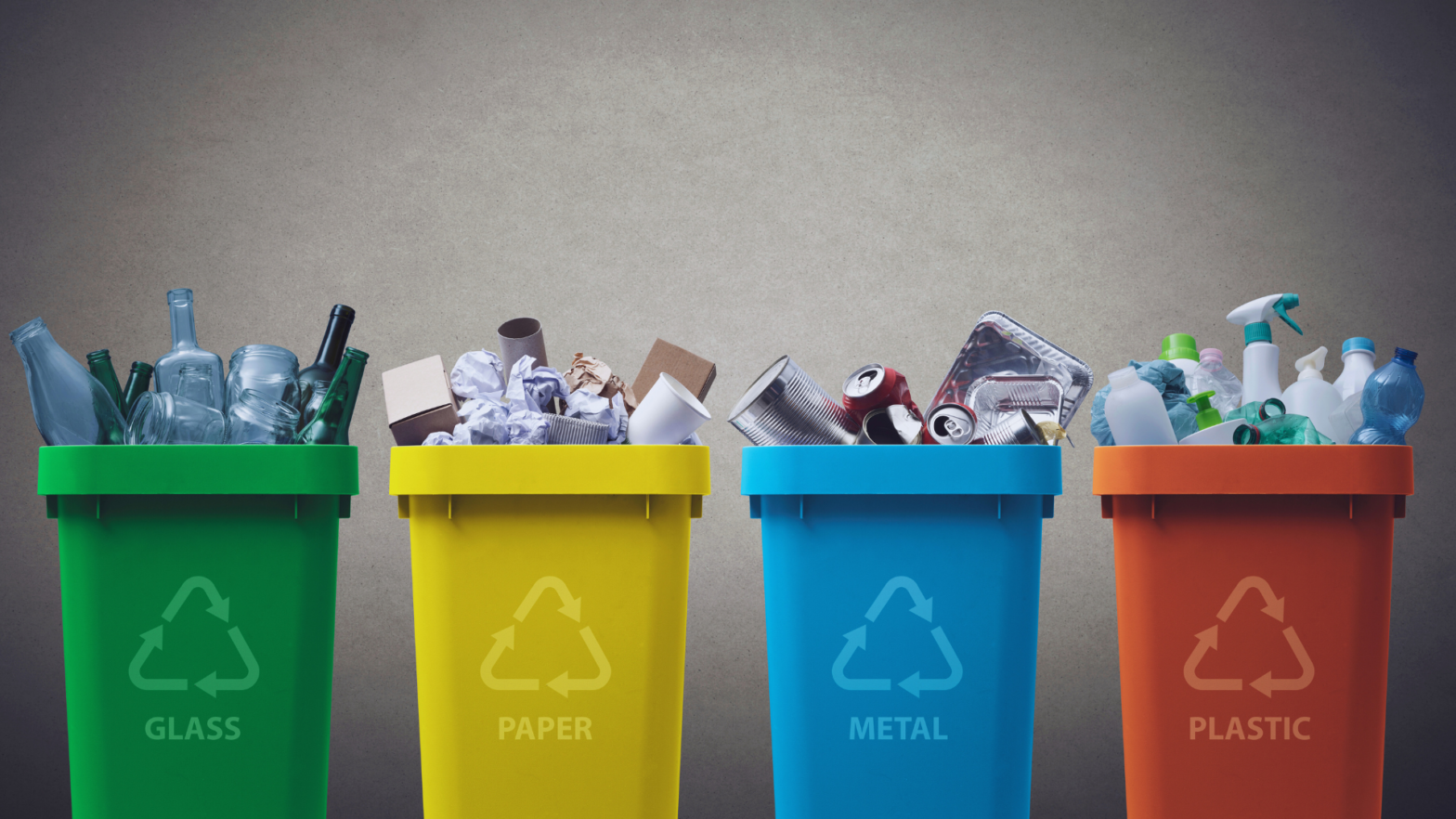
Recycling is for clean, dry items made from paper, cardboard, hard plastic, cans, and jars. If it once held food or drink, it must be empty and rinsed. Crushed cans and flat boxes save space.
Food and garden waste is for fruit and veg peels, tea bags, coffee grounds, eggshells, grass, leaves, and small sticks. In many areas this bin gets turned into compost for parks and farms. A paper liner or a few leaves at the bottom helps keep smells down.
General waste: what belongs there
General waste is the bin of last resort. Use it when an item cannot be reused, donated, sold, repaired, or placed in another bin. Nappies belong here. So do used paper towels and tissues. Old pens that no longer work can go here. Foam trays and soft plastic packets also go here unless your area runs a special drop-off.
Keep out anything that can harm people or gear at the tip. No paint, no gas bottles, no batteries, and no electronics. These need a safe drop-off or a pick-up service.
Recycling: make it clean and simple
Recycling works well when it is clean and dry. Food on containers ruins a whole batch. A quick rinse makes a big difference.
Paper and cardboard go in once free of grease or food. A pizza box with a greasy base belongs in general waste, but the clean lid can be torn off and recycled. Magazines, mail, and cereal boxes can all go in.
Hard plastics with a number stamp (1–7) are usually fine. Think milk bottles, yoghurt tubs, and clear drink bottles. Remove lids unless your council says to leave them on. Metal cans, foil balls (bigger than a golf ball), and glass jars and bottles also belong in this bin. Jars should be empty and free from heavy residue.
Avoid bagging recyclables in plastic. The sorting line cannot see what is inside and may throw the whole bag away. Tip the items in loose.
Food and garden waste: small steps that help
Food scraps make nasty smells when mixed with general waste. In a food and garden bin, they break down into useful compost. Fruit and veg peels, plate scraps, old bread, and coffee grounds all belong here. So do leaves, grass, and small branches. Some areas also accept meat, bones, and dairy. If unsure, check your council guide.
A small caddy on the bench helps everyone follow the system. Empty it every day or two to keep flies away. A sheet of newspaper in the base soaks up liquid. In warm weather, freeze meat scraps and tip them in on bin day.
Items that stay out of every bin
Some things do not belong in any household bin and need safe disposal. Batteries can spark and start fires in trucks. Take them to a battery drop-off at a store or a council point. Old phones, cords, and small electronics hold metals that can be reused, but the items need a special process. Use an e-waste collection or a council event. Paint, oil, gas bottles, and chemicals also need a safe site. Keep kids away from these items and store them upright until drop-off.
Bulky rubbish and help when time is short
Large items can slow a clean-up. Old couches, wardrobes, broken trampolines, and piles of green waste do not fit a wheelie bin. Council pick-ups help a lot, but they have rules on size and timing. When the pile is big or the job needs fast work, a trusted service can step in. A local option such as All Types of Rubbish Sydney can remove heavy items, sort the load, and keep reusable goods out of landfill. This keeps the job safe and saves a weekend of lifting.
A room-by-room guide that keeps it real
Kitchen: Keep the bin trio easy to reach. Rinse containers right after use. Tear boxes flat so the lid closes. Move old food to the front of the fridge at dinner time so it gets eaten. Wipe caddies when you do the benches.
Bathroom: General waste gets tissues, floss, cotton tips, old razors, and empty toothpaste tubes. Shampoo and body wash bottles can go to recycling once rinsed. Do not flush wipes. The packet may say they break down, but they still clog pipes.
Laundry: Empty lint into general waste. Detergent boxes go to recycling once empty. Hangers can bend and jam machines at recycling plants; drop them at a dry cleaner that reuses them or place them in general waste if reuse is not possible.
Kids’ rooms: Broken crayons and dry markers are general waste. Clean paper and cardboard crafts can be recycled. Old toys in good shape should be donated, not binned. Missing-piece toys that cannot be fixed belong in general waste.
Garage and shed: Paint, oils, and chemicals need a safe drop-off. Old power tools and cords are e-waste. Empty metal tins without residue can be recycled. Glass panes and ceramics go to general waste, as they are not the same as glass jars.
Soft plastics: a special case
Soft plastics include bread bags, chip packets, bubble wrap, and cling wrap. These items tangle at recycling plants. Many councils ask for them in general waste unless a store drop-off is available. If a local program exists, collect them in a bag and take them in when full. Keep the bag dry and free from food. If there is no drop-off in your area, reduce where possible. Choose loose fruit and veg, use lunch boxes instead of single-use wraps, and pick bulk packs where it makes sense.
Hazard checks that protect everyone
Before any item goes into a bin, ask a few quick questions. Is it sharp? Wrap it or tape it so it cannot cut anyone. Is it heavy? Break it into smaller pieces if safe. Does it have a plug, battery, or bulb? Treat it as e-waste. Does it smell like fuel or chemicals? Store it away from heat and book a safe drop-off.
Teaching these checks to kids makes a big difference. Keep it simple and repeat the same steps. Use clear words and keep hazardous items out of reach.
Easy habits that save time
Set a weekly five-minute sort. Open the fridge, pantry, and mail pile. Move old food to the front. Flatten boxes. Place flyers in recycling. These mini resets stop the bin from overflowing.
Give each room a small scrap station. A paper bag for recycling and a mini bin for general waste make end-of-day tidy fast. Empty them during the nightly kitchen clean.
Put bin day on the family calendar. Take the bins out the night before. Rinse any last jars and bottles. Close lids tight so wind does not blow items out.
Teaching kids and teens to help
Clear rules help kids and teens help without being asked. Colour labels on the lids guide young readers. A picture chart by the bins shows what goes where. Give teens jobs with a clear end: “Check the recycling is clean and take it out,” or “Empty the food caddy and rinse it.” Praise effort. Small rewards, such as choosing a movie after bin night, turn the routine into a win.
When space is tight
Small homes still manage clear sorting. Use slim bins under the sink or a tidy trio on a balcony. Keep a sealed food caddy to block smells. Take recycling out more often to free space. Fold boxes flat right away so they do not pile up.
For apartments, check building rules. Some have a shared recycling room, a chute level for general waste, and a cage for bulky items. Place items where signs show and leave paths clear.
Quick problem solver
If the recycling bin always fills early, check for air in the load. Flatten boxes and crush bottles with the lid off. If smells are an issue, rinse jars and add a splash of vinegar to the caddy base. If magpies or possums pull at bags, close lids fully and avoid overfilling. If wind is common, place the heavier bin upwind to shield the lighter one.
Final wrap-up
A tidy bin system makes home life smoother. Keep one simple rule for each bin. Place items in the right stream, keep recycling clean and dry, and use safe drop-offs for risky items. Plan for bulky rubbish before it becomes a mountain. Teach the same steps to everyone at home so the habit sticks. Start with one room today, set a five-minute timer, and enjoy the clear space that follows.


Leave a Reply