
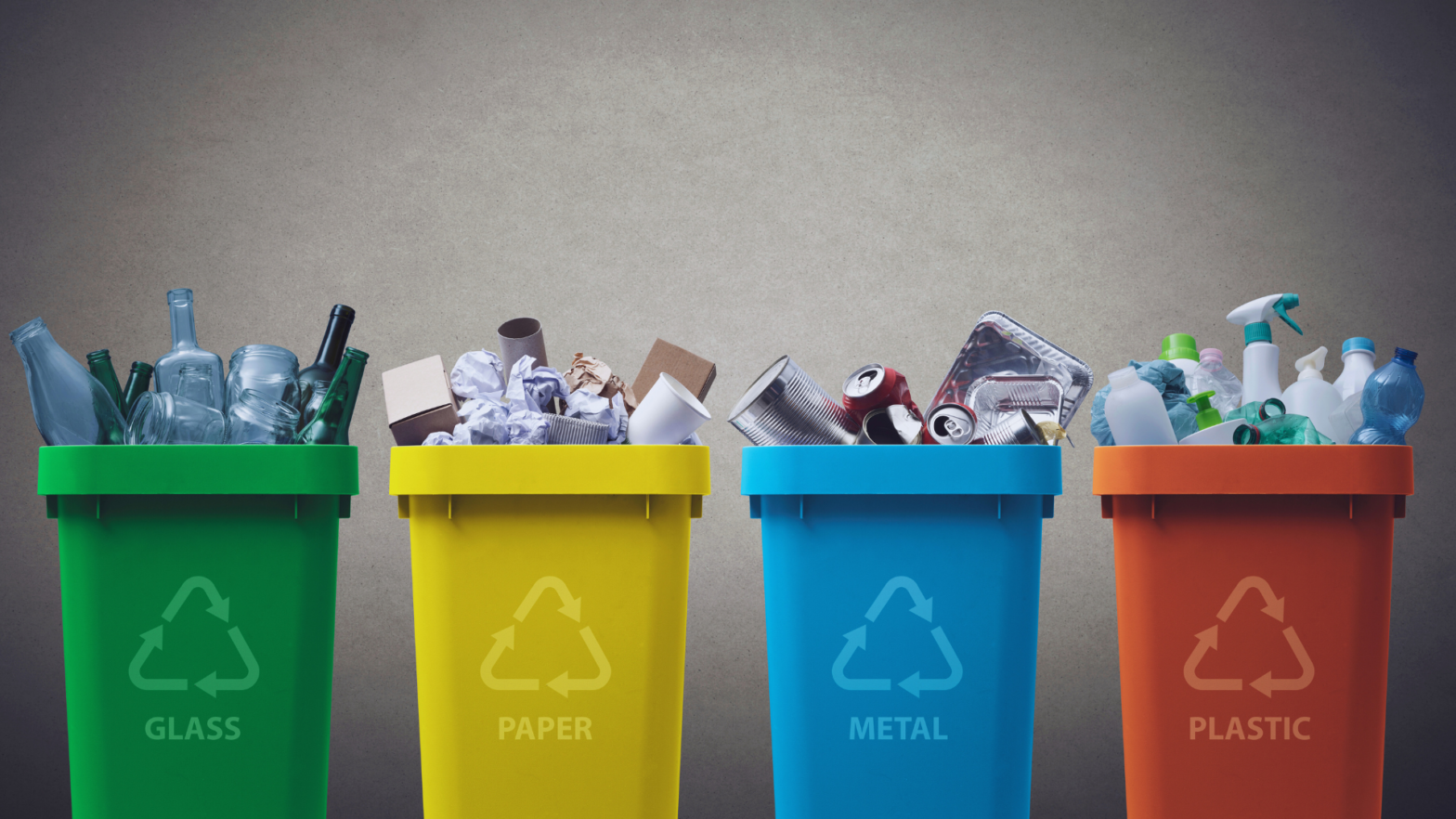
Reducing waste in community spaces starts with practical strategies that everyone can implement. Encouraging recycling, providing clearly labelled bins, and promoting reusable materials significantly cut down the amount of discarded trash. These steps create a cleaner environment and set a positive example for community members.
They can also organise regular clean-up events and educational campaigns to raise awareness about waste reduction. Collaboration between local authorities, businesses, and residents ensures that waste management systems work efficiently and sustainably.
Key Strategies to Reduce Waste in Community Spaces
Effective waste reduction relies on targeted actions that improve recycling rates, increase waste diversion, and engage residents directly. Practical measures focus on optimising recycling efforts, making recycling more accessible, and encouraging participation through organised programs.
Implementing Efficient Recycling Programs
Communities should develop recycling programs tailored to local waste streams. This involves identifying the most common recyclable materials and ensuring collection processes align with those needs. Programs that clearly define accepted recyclables reduce contamination and improve overall recycling rates.
Regular monitoring and reporting of waste diversion progress help maintain program effectiveness. Providing educational resources about sorting requirements also supports residents in following guidelines. Partnerships with waste disposal companies can optimise pickup schedules and reduce operational costs.
Establishing Accessible Recycling Bins
Strategically placing recycling bins in high-traffic community areas is essential. Bins should be clearly labelled and colour-coded to distinguish between recyclables, compost, and landfill waste. This visual clarity encourages correct disposal behaviour.
Bins must be maintained regularly to avoid overflow, which can deter use and lead to cross-contamination. Locations near parks, community centres, and transportation hubs maximise usage. Designing bins to accommodate local recyclable materials, such as plastics, paper, and metals, increases participation.
Organising Residential Recycling Initiatives
Residential recycling programs strengthen community waste diversion by involving households directly. Providing residents with standardised recycling bins promotes consistency and convenience in sorting waste.
Programs can include scheduled curbside pickups, workshops, and informational campaigns. Tracking participation rates helps identify areas needing additional support. Incentives such as reduced service fees or rewards can motivate continued resident engagement in recycling efforts.
Engaging the Community for Sustainable Waste Management
Building active participation in waste reduction efforts requires clear communication, practical incentives, and accessible education. Success depends on empowering residents to take ownership of community spaces and understand the environmental impact of their actions.
Promoting Community Involvement
Community involvement can be strengthened through well-organized neighborhood clean-up and community clean-up events. These gatherings encourage residents to collaborate directly, creating a shared responsibility for local environmental protection.
Leaders or local organisations should facilitate regular clean-ups with clear goals, such as focusing on litter removal or recycling efforts. Providing necessary supplies and scheduling events at convenient times increases participation rates. Visibility of these actions, through local media or social platforms, also helps inspire ongoing engagement.
Educational Campaigns on Waste Reduction
Educational campaigns must target specific behaviours like proper sorting of recyclables and reducing single-use plastics. Information should be concise, practical, and tailored to the community’s existing knowledge level.
Materials such as flyers, posters, and social media posts can highlightthe environmental benefits of waste reduction and clarify how individual actions contribute. Workshops or school programs improve awareness and develop long-term habits, promoting a culture of sustainability.
Incentivising Sustainable Behaviours
Incentives motivate continuous involvement in waste management efforts. Programs offering rewards for participation in clean-up events or for consistent recycling can boost engagement.
Incentives might include discounts at local businesses, recognition in community newsletters, or small prizes. Transparent tracking of individual or neighbourhood progress encourages competition and cooperation, combining social and environmental benefits effectively.
Special Considerations for Hazardous and Electronic Waste
Proper disposal methods and safe handling practices are crucial to prevent environmental contamination and health risks. Both electronic and hazardous waste requirespecialisedd treatment beyond regular waste collection to ensure community safety.
Proper Disposal of Electronic Waste
Electronic waste contains materials like lead, mercury, and cadmium, which can be harmful if released into the environment. Waste management companies often provide dedicated e-waste collection points equipped to handle these substances safely.
Devices such as computers, batteries, and mobile phones should never be placed in general waste bins. Instead, they must be taken to certified electronic waste disposal services, where they are dismantled and recycled according to strict regulations.
Some communities install secure drop-off boxes or organise e-waste collection events to encourage proper disposal. These actions help recover valuable materials and reduce landfill pollution.
Safe Handling of Hazardous Waste
Hazardous waste includes chemicals, paints, solvents, and cleaning products that can cause injury or environmental damage if mishandled. It requires segregation from regular waste streams from the moment it is discarded.
Waste disposal services trained in hazardous waste management use specialised containers that prevent leaks and contamination. Clear labelling and proper storage are essential to avoid accidents during transportation and processing.
Communities should collaborate withauthorisedd waste management companies to schedule regular hazardous waste collection days. This reduces the risk of illegal dumping and ensures compliance with safety regulations.
Long-Term Solutions for Reducing Landfill Waste
Effective reduction of landfill waste requires ongoing community engagement and systemic changes. Two critical approaches include fostering practices that increase reuse and upcycling, alongside integrating sustainable development principles in community spaces.
Encouraging Reuse and Upcycling
Prioritising reuse and upcycling reduces the volume of materials entering landfills by extending the life of items. Communities can establish designated swap centers or repair workshops where residents exchange or refurbish goods.
Educational programs focusing on DIY repair techniques and creative reuse inspire residents to transform discarded materials into functional or decorative objects. This reduces demand for new products and cuts down on single-use waste.
Implementing clear signage and accessible drop-off points for reusable items encourages participation. Tracking the quantities of items reused or upcycled helps demonstrate the impact on landfill waste reduction over time.
Supporting Sustainable Development in Community Spaces
Sustainable development in community spaces involves planning and construction methods that minimise waste generation and environmental impact. Using durable, recyclable, or biodegradable materials in public infrastructure limits future landfill contributions.
Incorporating green infrastructure, such as rain gardens and permeable pavements, supports ecosystem services while reducing waste associated with stormwater management systems. Additionally, designing spaces that promote zero-waste events encourages the use of reusable containers and composting.
Community-level policies can set waste reduction targets linked to sustainability goals. Collaborations with local businesses and waste management services ensure that sustainable practices become standardised within development projects.



Leave a Reply