
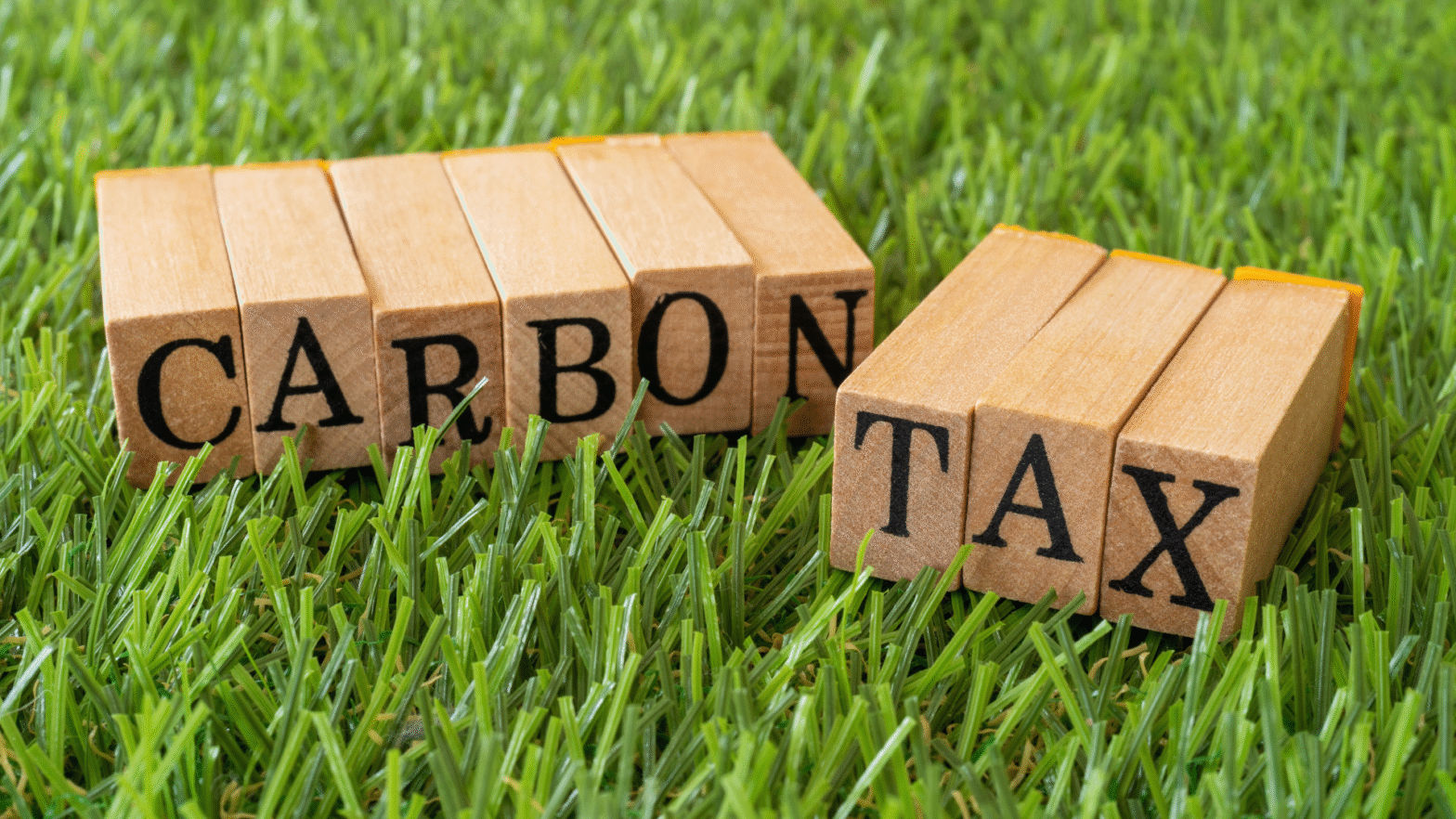
Carbon taxes aim to reduce greenhouse gas emissions by putting a price on carbon, incentivising both businesses and consumers to reduce their carbon footprints. Advocates argue that this approach not only generates revenue for renewable energy projects but also encourages innovation in cleaner technologies. Research suggests that when implemented effectively, carbon taxes can significantly contribute to efforts against climate change.
Critics question the effectiveness of carbon pricing, citing concerns about its impact on economic growth and fairness. They point out that without comprehensive measures, a carbon tax alone may not produce the desired environmental benefits. Nevertheless, many experts believe that such taxes are a necessary component of a broader strategy to address climate change, fostering a transition to sustainable practices.
As the world grapples with the urgent threat of climate change, the debate around carbon taxes continues to draw attention. Understanding the nuances of this policy can shed light on its potential role in creating a more sustainable future.
The Science of Carbon Tax and Its Environmental Impact
Carbon taxes aim to reduce greenhouse gas emissions by placing a financial charge on carbon emissions. This approach incentivises businesses and consumers to lower their carbon footprints. Examining the mechanisms and impacts of carbon taxes reveals their effectiveness as a climate policy tool.
Understanding Carbon Taxes and Emissions
A carbon tax imposes a fee on fossil fuels based on their carbon content. The primary goal is to motivate emitters to decrease their greenhouse gas emissions. By increasing the cost of carbon-intensive activities it encourages the adoption of cleaner energy alternatives.
Countries like Sweden have implemented this system with significant success. They have seen measurable reductions in emissions while maintaining economic growth. Revenue generated from the tax can also fund green energy initiatives or offset taxes elsewhere.
Effects of Carbon Taxes on Greenhouse Gas Emissions
Research indicates that countries with carbon taxes have achieved notable reductions in greenhouse gas emissions. For instance, a 2017 study found that carbon pricing in Canada led to a reduction of 5-10% in emissions within a few years.
The impact varies by region and the specific design of the tax. They often trigger changes in consumer behavior, industry practices, and investment decisions in low-carbon technologies.
Additionally, the effectiveness can be amplified when paired with other measures like renewable energy incentives or emissions benchmarks.
Comparison with Other Climate Policies
Carbon taxes are one of several climate policy options, including cap-and-trade systems. In a cap-and-trade system, companies are allocated a limit on emissions. They can buy and sell carbon credits, creating a market-driven approach to pollution reduction.
Both strategies aim for emissions reductions, but they differ in implementation. Carbon taxes provide simpler, more predictable costs. In contrast, cap-and-trade can lead to price volatility in carbon markets.
Evidence suggests that combining carbon taxes with other regulatory measures can yield more comprehensive environmental benefits. This multifaceted approach may enhance overall effectiveness in tackling climate change.
Economic Implications of Implementing Carbon Taxes
Implementing carbon taxes influences various aspects of economic policy, fossil fuel markets, and the role of economists in shaping these taxes. These factors interconnect to determine the overall effectiveness and implications for both the economy and the environment.
Economic Policy and Carbon Pricing Mechanisms
Carbon pricing mechanisms, including carbon taxes, are essential tools in economic policy aimed at reducing greenhouse gas emissions. By placing a price on carbon, governments create an incentive for businesses to innovate and reduce reliance on fossil fuels.
This approach can lead to increased energy efficiency and investment in renewable resources. Policymakers are tasked with balancing economic growth while incentivising emissions reductions.
Countries may also adopt emissions trading systems as a complementary strategy. These systems allow companies with lower emissions to sell their extra allowances, promoting flexible compliance.
Carbon Tax Impact on Fossil Fuel Markets
A well-structured carbon tax directly affects fossil fuel markets by altering demand and supply dynamics. As the cost of carbon emissions rises, fossil fuel prices, especially coal and natural gas, may increase. This can make renewable energy sources more competitive.
Higher carbon prices incentivise industries to transition to cleaner alternatives. Companies that invest in technologies to lower emissions can benefit from reduced tax burdens. However, those that continue to rely on fossil fuels might face higher operational costs and reduced market share.
In regions with a strong carbon tax, fossil fuel demand may decline, leading to a gradual shift in market behavior. The long-term effects can contribute to a more sustainable energy landscape.
The Role of Economists in Shaping Carbon Taxes
Economists play a critical role in determining the design and implementation of carbon taxes. Their analyses help to assess the economic impacts, project revenue generation, and identify appropriate tax levels.
Through economic models, they can estimate how different carbon pricing scenarios will influence emissions and market behaviour. They also explore how revenues from carbon taxes can be utilised to mitigate impacts on low-income households or fund renewable energy projects.
Collaborative efforts between economists and policymakers can lead to more effective environmental strategies. Their expertise is essential in shaping policies that optimise economic and environmental outcomes.
Challenges and Considerations in Carbon Taxation
Implementing a carbon tax involves several challenges that must be navigated carefully. These challenges include balancing economic growth with environmental protections, addressing concerns from the public and political spheres, and understanding international perspectives on carbon taxation.
Balancing Economic Growth and Environmental Protection
Carbon taxes aim to reduce carbon emissions by assigning a cost to carbon pollution. This approach incentivises businesses to innovate and reduce emissions. However, a significant concern is the potential negative impact on economic growth.
Industries reliant on fossil fuels may face increased operational costs, leading to job losses or reduced competitiveness. Policymakers must consider ways to mitigate these impacts, such as using tax revenue for welfare programs or investing in renewable energy.
A well-designed carbon tax can drive sustainable growth. By encouraging the transition to cleaner technologies it can create jobs in emerging sectors. Nonetheless, an uncareful implementation could hinder economic progress.
Addressing Public and Political Concerns
Public acceptance of carbon taxes is often a significant hurdle. Many individuals associate taxes with economic burden rather than environmental benefit. Misunderstanding can lead to resistance against carbon taxation policies, which may delay or derail their implementation.
Political opposition may stem from constituents fearing higher costs of living. Effective communication about the long-term benefits of carbon taxation is crucial for garnering public support. Demonstrating how tax revenue can be reinvested into communities can alleviate concerns.
Engaging stakeholders early in the process helps build consensus. Policymakers should prioritise transparency and dialogue, addressing concerns while emphasising the environmental advantages of a carbon tax.
International Perspectives on Carbon Tax
Different countries have varied approaches to carbon taxation, influenced by their economic structures and environmental policies. Some nations, like Sweden, have successfully implemented high carbon taxes alongside strong economic growth.
Conversely, other countries may prefer cap-and-trade systems. These systems place a cap on emissions and allow companies to trade allowances, offering flexibility and market-driven solutions.
International cooperation is vital in addressing challenges related to competitiveness and carbon leakage. If one country imposes a carbon tax but others do not, businesses might relocate to regions with less stringent regulations. A coordinated global approach can help standardise carbon costs and strengthen climate commitments across borders.
Future Directions and Innovations in Carbon Tax Policy
Innovations in carbon tax policy are essential for addressing climate change effectively. As awareness of environmental issues grows, more countries are exploring different approaches to carbon taxation.
Key Innovations:
- Dynamic Tax Rates: Implementing flexible tax rates that adjust based on emissions targets can incentivise reduced carbon outputs more effectively.
- Carbon Credits Integration: Allowing businesses to buy and trade carbon credits could encourage large emitters to invest in clean energy technologies.
- Revenue Recycling: Using carbon tax revenues to fund renewable energy projects can amplify positive impacts on the environment while promoting economic growth.
Global Perspectives:
Countries like Sweden have successfully used carbon taxes to reduce emissions significantly. Their model shows that well-structured policies can drive innovation in clean energy.
Technology and Monitoring:
Advancements in technology can enhance monitoring and compliance. Improved data collection on emissions will lead to more accurate assessments and adjustments in policy.
Public Engagement:
Effective communication about the benefits of carbon taxes can foster public support. Engaging citizens helps ensure that policies are both transparent and tailored to community needs.
Adapting carbon tax policies to incorporate these innovations can create robust frameworks for combating climate change while promoting sustainable development.




Leave a Reply