
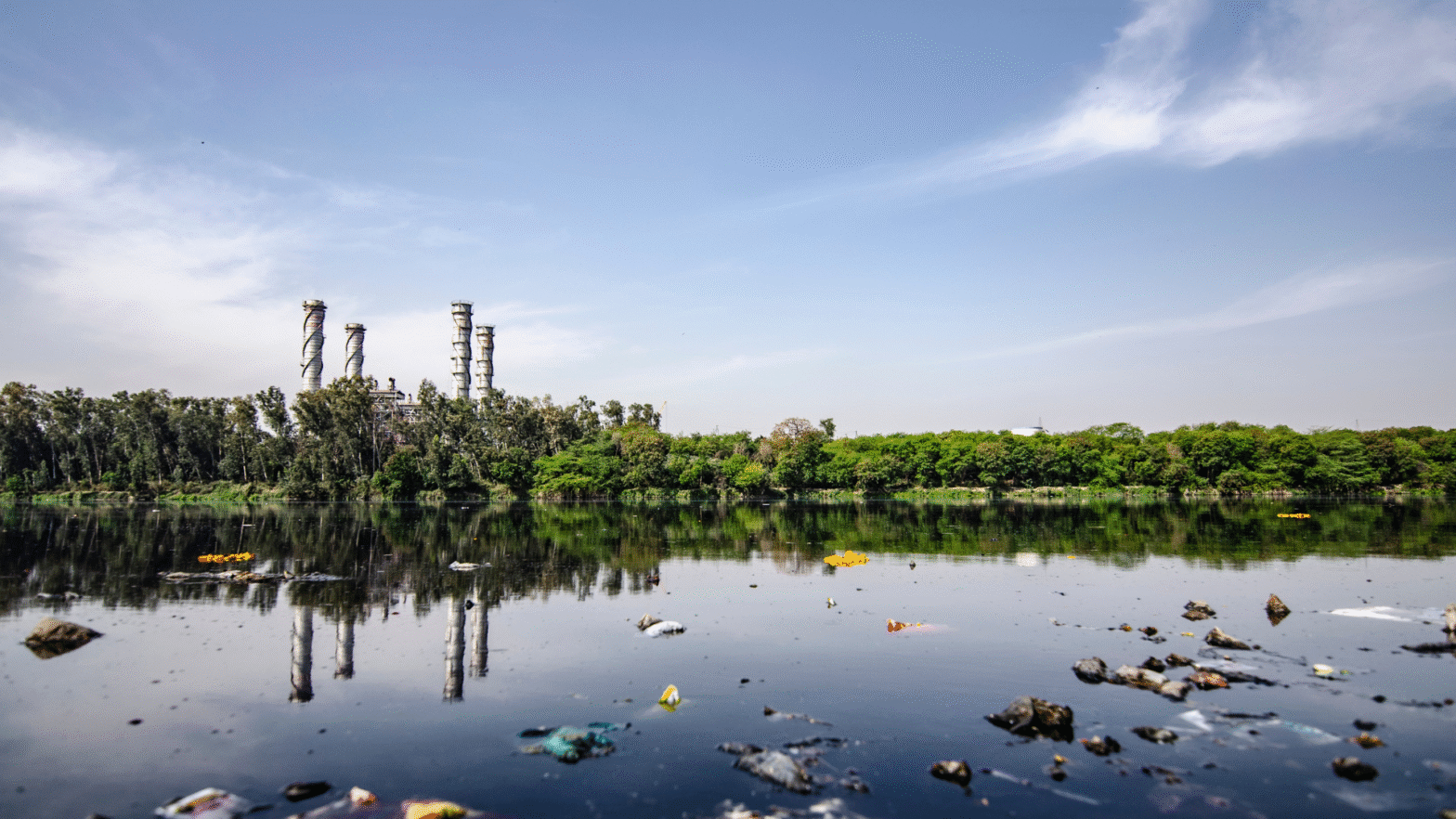
Air pollution significantly impacts urban ecosystems, leading to both immediate and long-term harm to city nature. Studies show that pollutants reduce biodiversity, damage plant life, and disrupt the delicate balance of urban habitats. As cities grow and industrial activities increase, the effects on local flora and fauna become more pronounced.
Wildlife in urban areas, including birds, insects, and other species, struggles to adapt to the declining air quality. Pollutants can affect reproduction rates, migration patterns, and overall health, pushing vulnerable species closer to extinction. Understanding these effects is crucial for developing strategies to protect urban nature.
In addition to harming wildlife, air pollution can also degrade green spaces, affecting the health and enjoyment of these areas for city residents. Cleaner air contributes to healthier ecosystems, making it vital for people to recognise the connection between pollution and nature’s well-being in urban settings.
The Basics of Air Pollution and City Nature
Air pollution significantly affects urban ecosystems and the quality of life for residents. A thorough understanding of air quality, the pollutants involved, and the benefits of green infrastructure is essential for addressing these challenges effectively.
Understanding Air Quality and Pollutants
Air quality is determined by the concentration of various pollutants in the atmosphere. Common air pollutants include nitrogen dioxide (NO₂), sulfur dioxide (SO₂), and particulate matter, which originate mainly from vehicle emissions, industrial activities, and burning fossil fuels.
Each pollutant has specific sources and health effects. For instance, nitrogen oxides contribute to ground-level ozone formation, which can damage respiratory systems. Monitoring air quality metrics helps cities take informed actions to mitigate these harmful emissions.
Impact of Air Pollution on Public Health
Air pollution poses serious risks to public health. Prolonged exposure to pollutants can lead to respiratory diseases, cardiovascular issues, and worsen pre-existing conditions like asthma. Major urban areas often report increased hospital admissions and healthcare costs linked to air quality deterioration.
Additionally, children and the elderly are particularly vulnerable. Studies indicate that elevated levels of air pollutants correlate with higher rates of developmental issues in children. Addressing air quality effectively reduces health risks and enhances the quality of life in urban environments.
The Role of Green Infrastructure in Urban Areas
Green infrastructure plays a vital role in improving urban air quality. Incorporating elements such as green roofs, urban trees, and green spaces helps absorb pollutants and provide cleaner air. Urban forests can effectively filter airborne particulates, reducing the overall concentration of harmful substances.
Moreover, trees contribute to lowering urban temperatures, mitigating the heat island effect. This cooling effect encourages outdoor activities, promoting healthier lifestyles. By enhancing green infrastructure, cities not only improve air quality but also create more livable habitats for residents and wildlife alike.
Health Effects of Air Pollution in Urban Environments
Air pollution in cities has significant adverse effects on public health, directly impacting the respiratory and cardiovascular systems. Vulnerable populations face heightened risks, while air quality can also influence mental health outcomes.
Respiratory and Cardiovascular Disorders
Exposure to air pollutants leads to various respiratory illnesses, including asthma and chronic obstructive pulmonary disease (COPD). Fine particulate matter (PM2.5) and ozone can cause inflammation in the airways, worsening existing conditions. The Environmental Protection Agency (EPA) identifies these pollutants as linked to increased hospital admissions for respiratory distress.
Cardiovascular diseases are also prevalent among populations exposed to high levels of air pollution. Studies indicate that air pollution can contribute to hypertension, heart attacks, and even premature death. Children and the elderly are particularly at risk, with pollution exposure proven to increase the likelihood of developing heart disease and lung cancer over time.
Air Pollution and Vulnerable Populations
Certain groups, such as children, the elderly, and those with preexisting health conditions, are more susceptible to the effects of air pollution. Children, for instance, experience severe impacts on cognitive development due to pollution exposure. Their lungs are still developing, making them more vulnerable to respiratory issues.
Furthermore, socioeconomic factors contribute to environmental justice concerns. Low-income communities often reside in areas with higher pollution levels, exacerbating health disparities. Access to healthcare services and preventive measures may be limited for these vulnerable groups, leading to higher incidences of illness.
Mental Health Issues Related to Air Quality
Air quality has been linked to various mental health issues, including depression and anxiety. Research suggests that long-term exposure to air pollution can negatively affect cognitive functioning and emotional well-being. Pollutants may disrupt neurological processes, leading to increased incidences of mood disorders.
Additionally, residents living in polluted urban areas often report higher stress levels related to their environment. This constant exposure can create a cycle of anxiety, impacting individuals’ quality of life. As mental health continues to be an essential component of public health, addressing air pollution is vital for promoting overall well-being.
Air Pollution and Its Broader Environmental Impact
Air pollution significantly affects urban ecosystems and the natural environment, disrupting the health of various species and altering ecological dynamics. The presence of harmful pollutants, such as nitrogen oxides and PM2.5, has far-reaching consequences that impact both vegetation and the climate.
Effects on Ecosystems and Vegetation
Airborne pollutants like fine particulate matter (PM2.5) and ozone contribute to a decline in vegetation health. These contaminants can infiltrate leaf stomata, disrupting photosynthesis and leading to stunted growth.
Furthermore, nitrogen pollution alters soil chemistry, promoting the overgrowth of certain plant species while diminishing biodiversity. This imbalance can disrupt ecosystem services like pollination and habitat provision.
Smog formation can further inhibit plant growth by blocking sunlight. Urban greenery suffers, impacting wildlife dependent on these plants and diminishing the ability of urban areas to purify air and sequester carbon.
Climate Change and Urban Nature
Air pollution is a significant contributor to climate change, with greenhouse gas emissions exacerbating global warming. Urban settings often experience higher levels of emissions from vehicles and industrial processes.
Rising temperatures and altered precipitation patterns create a feedback loop, making vegetation more vulnerable to drought and disease. Urban nature struggles to adapt, leading to shifts in species composition and loss of local fauna.
Mercury and other heavy metals found in polluted air can deposit onto soil and water, further complicating environmental health. Ground-level ozone can reduce plant resilience, weakening their capacity to cope with climate-related stresses.
Regulatory Measures and Sustainable Solutions
Effective regulatory measures and sustainable solutions play a crucial role in combating air pollution and protecting urban ecosystems. Clear guidelines and advancements in technology can help mitigate the harmful effects of air contaminants on city nature.
Legislation and Air Quality Standards
Legislation such as the Clean Air Act, enforced by the Environmental Protection Agency (EPA), establishes frameworks for regulating air pollutants. The National Ambient Air Quality Standards (NAAQS) set permissible levels for specific pollutants, which include particulate matter and volatile organic compounds.
EPA monitors air quality through comprehensive assessments. These regulations aim to reduce emissions from sources like fossil fuels and industrial activities. By implementing stricter measures, cities can improve air quality and reduce the urban heat island effect, fostering healthier urban environments.
Advancements in Clean Energy and Technology
Transitioning to clean and renewable energy sources is essential for reducing air pollution. Technologies such as solar, wind, and electric vehicles have emerged as viable alternatives to fossil fuels.
Incentives for adopting clean energy can include tax credits and grants that support businesses and homeowners. These advancements not only lower emissions but also create economic opportunities in urban areas.
Innovations in energy efficiency and pollution control technologies further enhance city air quality. Smart air quality monitoring systems can provide real-time data, enabling proactive responses to pollution spikes. In industrial settings, integrated filtration systems are used to capture fine particulate matter generated during manufacturing processes, preventing these pollutants from entering the surrounding environment. These systems often rely on components such as Dust Collector Bags to effectively trap and contain airborne particles at the source. By limiting emissions before they disperse, such solutions contribute to improved air quality in nearby urban areas.
Together, these measures create a more comprehensive approach to tackling air pollution, combining policy, technology, and sustainable practices to reduce emissions at every level. By improving air quality and limiting environmental damage, they not only protect urban ecosystems but also support healthier communities and more resilient cities for the future.




Leave a Reply