
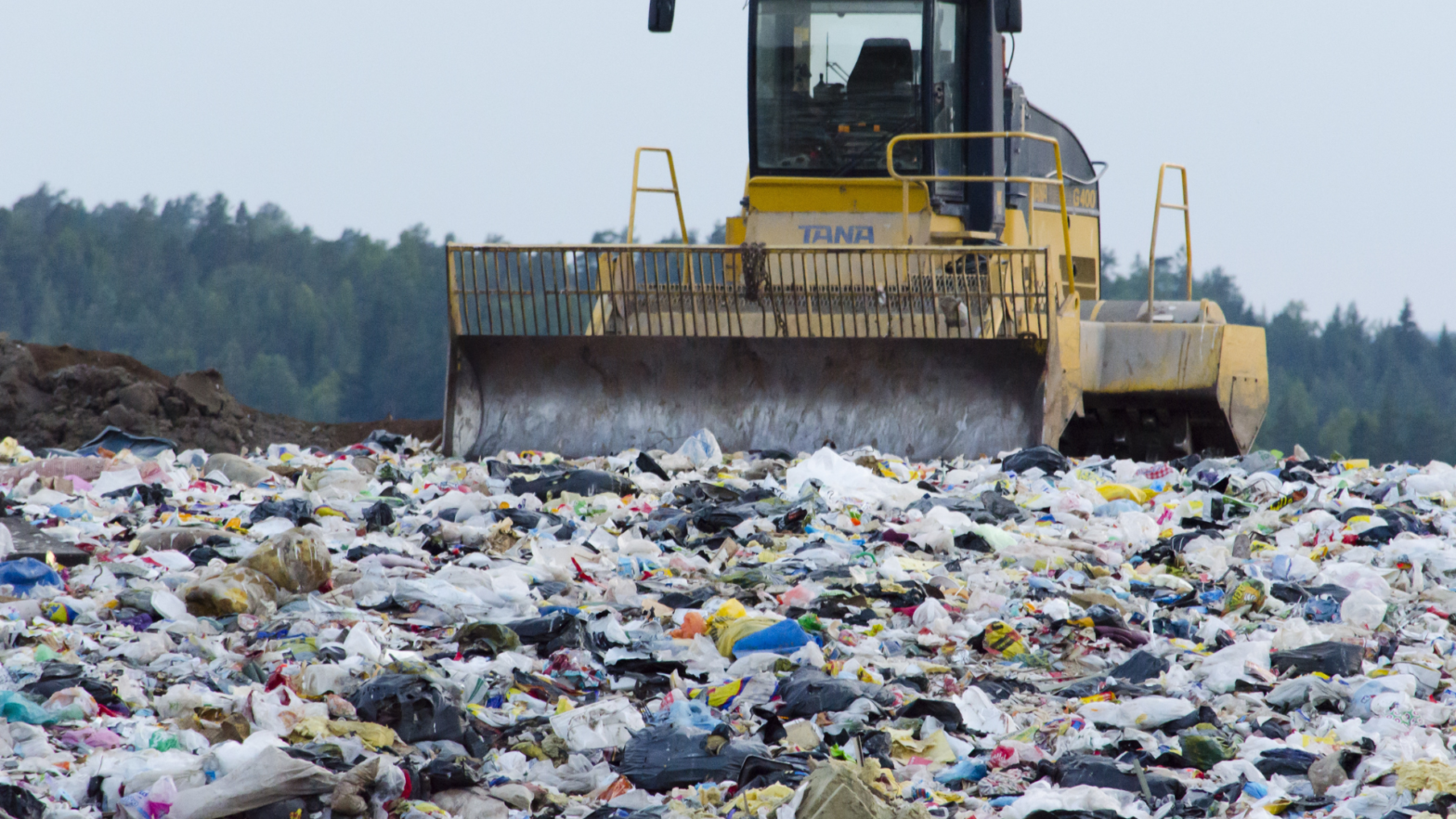
Managing waste in an eco-friendly manner is essential for creating a sustainable future. Implementing effective waste management practices with companies such as Hazaway Waste reduces environmental impact and conserves resources. It allows individuals and communities to contribute positively to their surroundings while promoting a cleaner planet.
Many simple yet effective tips can help anyone transform their waste management routine. From composting household/business waste to recycling properly, these strategies not only minimise landfill contributions but also promote a circular economy. Making conscious choices today leads to a more sustainable tomorrow.
Embracing eco-friendly waste management practices demonstrates responsibility towards the environment. By understanding the direct impact of waste on the planet, individuals can make informed decisions that benefit both their communities and future generations.
Adopting Eco-Friendly Materials and Practices
Transitioning to eco-friendly materials and practices plays a crucial role in waste management. By selecting sustainable options and reducing dependency on harmful products, individuals can significantly lessen their environmental footprint.
Choosing Sustainable Products
Selecting sustainable products is essential for promoting a healthier planet. Items made from biodegradable materials break down naturally, reducing landfill waste. Consumers should prioritise goods crafted from renewable resources, such as bamboo or recycled plastic, which offer durability without compromising ecological integrity.
Minimal packaging is another important factor. Products with less packaging typically generate less waste. When possible, individuals should choose items packaged in recycled or recyclable materials. By consciously selecting sustainable products, individuals contribute to a circular economy, where materials are reused and repurposed, further reducing environmental impact.
Minimising Single-Use Plastics
Single-use plastics represent a significant challenge in waste management. Reducing their use can lead to substantial benefits for the environment. Items like plastic straws, cutlery, and bags contribute to pollution and ocean waste.
To combat this, individuals can replace single-use plastics with alternatives made from sustainable materials. Compostable plates and biodegradable utensils serve as excellent substitutes. Adopting reusable items and opting for products with minimal or no packaging further supports this effort.
Being mindful of one’s purchasing choices can effectively help in significantly reducing reliance on these harmful materials.
Implementing Reusable Bags and Containers
Implementing reusable bags and containers is a straightforward yet impactful change. Individuals should invest in sturdy, washable bags for shopping to eliminate the need for plastic bags. Many retailers now offer discounts for customers who bring their own bags, making this practice both eco-friendly and economical.
Similarly, using containers for food storage is vital. Glass or metal containers are durable and reusable, helping to minimise waste generated from takeout and storing leftovers. Transitioning to these options supports a sustainable lifestyle and significantly reduces the amount of single-use waste.
By making these conscious choices, individuals actively participate in eco-friendly waste management.
Effective Waste Reduction Strategies
Implementing effective waste reduction strategies can significantly lessen environmental impact. Individuals can adopt practices that focus on reducing household waste and the recycling or repurposing of items, fostering sustainable living.
Reducing Household Waste
To minimise waste at home, individuals can start by evaluating their purchasing habits. Opting for products with minimal packaging can greatly reduce the amount of waste generated. Choosing to buy in bulk is another effective strategy, as it decreases packaging and often saves money.
Utilising reusable bags, containers, and water bottles contributes to waste reduction while promoting a sustainable lifestyle. Composting organic waste, such as fruit and vegetable scraps, can also divert significant amounts of rubbish from landfills.
Setting up a waste management system within the household can aid in organising recyclables and compostable materials, ensuring that waste reduction becomes a regular practice.
Recycling and Repurposing Items
Recycling is a crucial aspect of waste management. Understanding local recycling guidelines ensures that materials, such as paper, plastic, metal, and glass, are properly processed. Many items once deemed trash can be repurposed creatively.
For instance, glass jars can serve as storage containers, while old clothes may be transformed into reusable cleaning rags. Sharing unwanted items through community exchanges or donation centres can also help reduce waste. Additionally, opting for choices like Cash For Scrap Metals can also help to reduce waste while also getting value for useless materials.
Engaging in DIY projects allows individuals to breathe new life into discarded items, promoting environmental awareness and creativity. Adopting these practices facilitates both recycling and innovative reuse, ultimately contributing to a more sustainable lifestyle.
Managing Organic and Hazardous Wastes
Effective management of both organic and hazardous wastes is crucial for maintaining environmental health and ensuring community safety. One of the key steps in waste management is proper segregation, as mixing these types of waste can pose significant environmental and health risks.
Organic waste, such as food scraps and yard trimmings, can be composted, while hazardous waste requires special handling and disposal methods to prevent contamination.
That said, renting dumpsters tailored for different types of waste from https://wasteremovalusa.com/ and similar sites can offer an efficient solution. It allows for proper separation, reduces the risk of cross-contamination, and ensures that each waste type is disposed of in the most appropriate manner.
Backyard Composting
Backyard composting is an eco-friendly method to process organic waste. Kitchen scraps, yard clippings, and other biodegradable materials can be composted to create nutrient-rich soil.
To maintain a successful compost pile, one should mix green materials (e.g., vegetable peels, and grass clippings) with brown materials (e.g., dry leaves, and cardboard).
Tips for Composting:
- Aerate the pile: Turn it regularly to introduce oxygen.
- Moisture balance: Ensure it is damp but not soggy.
- Avoid meat and dairy: These can attract pests and create odours.
Composting not only reduces landfill waste but also promotes waste-to-energy conversion through soil enrichment.
Safe Disposal of Hazardous Materials
Hazardous waste requires careful handling to prevent environmental contamination. Common hazardous materials include batteries, chemicals, and certain electronic devices.
To dispose of hazardous waste safely, individuals should seek designated disposal sites. Many local councils offer collection points or special disposal days.
Important Principles:
- Do not mix hazardous waste with regular refuse.
- Check local regulations for specific disposal instructions.
- Use proper containers: Ensure materials are stored securely to prevent leaks.
By following these guidelines, one can mitigate risks associated with hazardous waste and protect community health. It’s also important to recognize that some environments generate highly specific forms of hazardous waste—shooting ranges, for example, produce lead residue and other contaminants that require professional handling. In such cases, partnering with a dedicated shooting range maintenance service is essential to ensure safe disposal practices and environmental compliance. Whether at home or in specialized facilities, responsible waste disposal is a key step toward a cleaner, safer environment for all.
Resource Recovery and Circular Economy
Resource recovery is a critical component of the circular economy, aimed at reducing waste and promoting sustainability. This approach emphasises the importance of recycling and reusing materials, which can lead to significant environmental benefits.
Maximising Use of Recyclable Materials
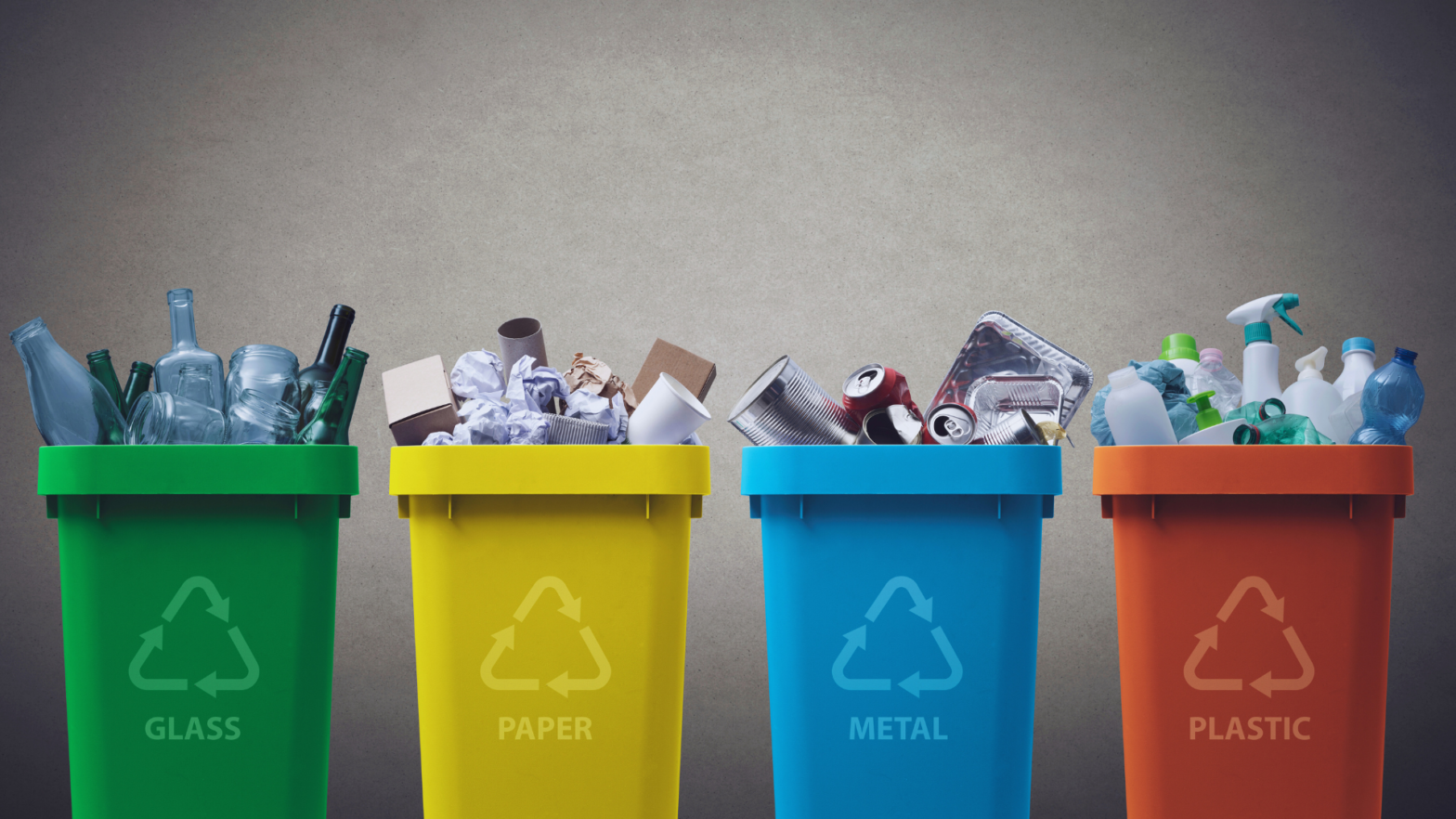
Maximising recyclable materials involves identifying and separating items that can be processed for reuse. Common recyclable materials include:
- Paper: Collect and sort office paper, newspapers, and cardboard.
- Plastics: Use recycling codes to determine which plastics are accepted by local facilities.
- Metals: Aluminium and steel cans are highly valuable in recycling processes.
- Glass: Clear, green, and brown glass can be recycled multiple times without degrading quality.
Each household should implement practices such as proper sorting and cleaning of recyclables to enhance the effectiveness of recycling programmes. By reducing contamination, the recycling process becomes more efficient, leading to better resource recovery.
Participating in Recycling Programs
Engagement in community recycling programmes plays a vital role in promoting sustainable practices. These programmes often provide guidelines on what materials can be recycled and how to prepare them.
Residents can benefit by:
- Staying Informed: Regularly checking local authority websites for updates on recycling policies.
- Utilising Collection Services: Many councils offer kerbside collection of recyclables, making it easy to participate.
- Joining Initiatives: Taking part in local clean-up events or educational workshops encourages community involvement.
Through consistent participation, individuals contribute to environmental protection and support the advancement of a circular economy.


Leave a Reply