
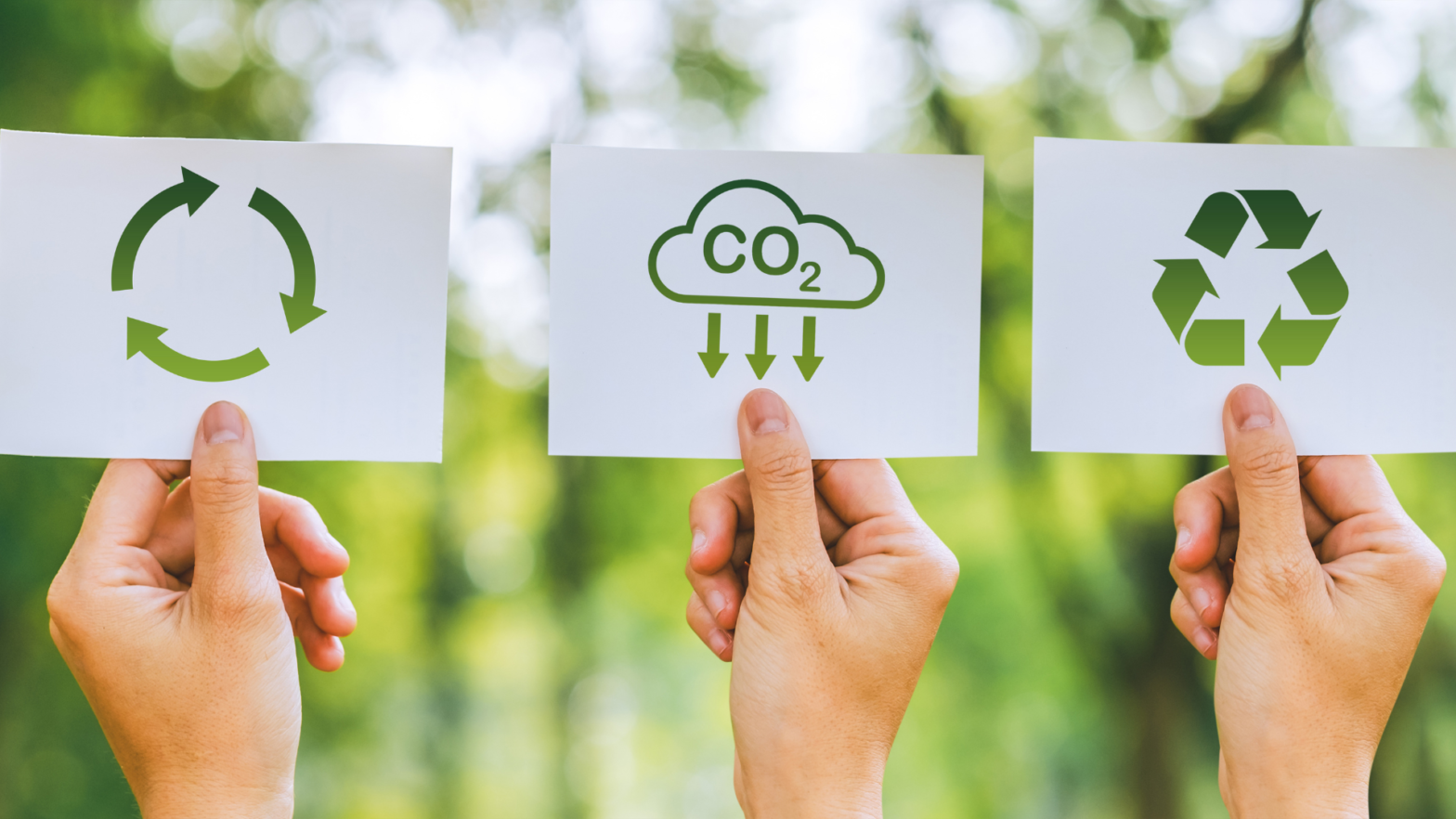
The shift towards renewable energy sources is increasingly essential in combating climate change and reducing our carbon footprint. The main types of renewable energy include solar, wind, hydroelectric, geothermal, and biomass, each offering sustainable alternatives to fossil fuels that significantly lessen environmental impact. As concerns over global warming escalate, these energy sources provide viable solutions for a cleaner and more sustainable future.
Solar energy harnesses sunlight to generate electricity, while wind energy captures airflow to power turbines. Hydroelectric power relies on flowing water, and geothermal energy taps into the Earth’s heat. Biomass energy, derived from organic materials, also presents a way to produce energy while managing waste. Each of these sources contributes uniquely to the global energy landscape, highlighting the potential to transition away from traditional energy systems.
Understanding the benefits and challenges of these various renewable energy types is important for informed decision-making in energy policy and personal consumption. By exploring these options, individuals and businesses can play a part in mitigating climate change and promoting sustainable energy practices.
Types of Renewable Energy
Various renewable energy sources play a crucial role in electricity generation and reducing dependence on fossil fuels. These include solar, wind, hydroelectric, biomass, and geothermal energies, each with unique characteristics and applications.
Solar Energy
Solar energy harnesses sunlight to generate electricity. It primarily uses solar panels equipped with photovoltaic (PV) cells, which convert solar radiation into electrical power. Large-scale solar farms utilise vast arrays of panels to produce significant energy outputs. While installing solar panels, one must consider consulting rochester solar installers or similar experts elsewhere to get a fair idea of the investments. Assessing location and sites, system size and energy needs, choosing the correct equipment, and knowing about maintenance and warranty are essential.
Residential and commercial installations benefit from net metering, allowing excess energy to be returned to the grid. This energy source is abundant and sustainable. The efficiency of solar technology continues to improve, making it a pivotal part of the renewable energy landscape.
Wind Energy
Wind energy is generated by converting the kinetic energy of wind into electrical power using wind turbines. These turbines can be located onshore or offshore, with offshore wind farms typically producing more energy due to stronger, more consistent winds.
Wind power has become one of the fastest-growing renewable energy sources worldwide, contributing significantly to overall electricity generation. Advances in turbine design have led to larger, more efficient systems capable of generating greater energy output. Combined with its relatively low environmental impact, wind energy has established itself as a reliable and attractive alternative to conventional power sources.
This continued growth and wider integration into national power grids have expanded access beyond traditional utility providers. As a result, businesses are increasingly exploring ways to incorporate wind energy into their sustainability strategies.
To support this shift, many organisations often partner with a reputable wheeled energy broker south africa (and elsewhere) to secure supply agreements directly from wind energy producers. These brokers assist in structuring commercial terms, navigating contractual and regulatory requirements, and ensuring that wind-generated electricity is delivered efficiently through existing grid infrastructure.
Hydroelectric Power
Hydroelectric power harnesses the energy of flowing water, often from rivers or dams, to generate electricity. This form of renewable energy is one of the oldest and most established methods, with large-scale hydroelectric plants providing significant power output.
There are different types of hydropower facilities, including pumped-storage hydropower, which stores energy by moving water between reservoirs. Hydropower is reliable and efficient, although it can have ecological impacts on local ecosystems. Proper management is essential to maximise benefits and minimise environmental disruption.
Biomass Energy
Biomass energy is derived from organic materials, including plant and animal waste. This renewable resource can be converted into biofuels, biogas, and other forms of energy through processes such as anaerobic digestion or combustion.
Biomass can also be used for heating and electricity generation, offering a way to utilise waste materials effectively. As a versatile energy source, it contributes to reducing greenhouse gas emissions when managed responsibly. Biomass energy plays a critical role in the transition to sustainable energy systems.
Businesses often need a mix of energy sources to keep their operations running without any breaks. While many companies look at new green options, they still rely on traditional fuels for their daily heating and power needs. Reliable fuel delivery is a big part of this plan for many local shops and large plants. Working with a provider like Propane Solutions, Incorporated helps these businesses manage their fuel stocks and equipment. This support makes sure that a company has the right tanks and regular deliveries to avoid any downtime. Having a steady supply of fuel is just as important as finding new ways to save energy.
Geothermal Energy
Geothermal energy exploits heat stored beneath the Earth’s surface for electricity generation and direct heating applications. This energy source comes from volcanic activity, hot springs, and geothermal reservoirs.
Geothermal power plants convert steam or hot water into electricity, providing a constant energy source that is not dependent on weather conditions. It has a small land footprint and emits minimal greenhouse gases. Efficient geothermal systems are increasingly being integrated into energy production, showcasing the potential of this renewable resource.
Environmental and Economic Impacts
The environmental and economic impacts of renewable energy systems are significant. These systems contribute to lower carbon emissions, mitigate climate change, and offer economic benefits through energy cost reductions and improved energy efficiency.
Reduction of Carbon Emissions
Renewable energy sources, such as solar, wind, and hydroelectric power, play a critical role in reducing carbon dioxide emissions. Unlike fossil fuels, these sources generate energy without releasing greenhouse gases into the atmosphere.
The transition to a low-carbon energy system can drastically cut carbon emissions associated with energy production. For instance, solar panels and wind turbines release minimal or no emissions during operation. This shift supports efforts towards carbon neutrality and net-zero goals.
In addition, many countries are implementing policies to encourage the adoption of renewable technologies. These initiatives often include financial incentives, tax credits, and subsidies aimed at reducing reliance on carbon-intensive energy sources.
Impact on Climate Change
The adoption of clean energy has a direct influence on climate change mitigation. Reduced greenhouse gas emissions help slow global warming, resulting in fewer extreme weather events and adverse environmental impacts.
Investing in renewable energy contributes to a more sustainable future. By decreasing reliance on fossil fuels, countries aim to meet international climate agreements and commitments. Efforts to expand renewable infrastructure can also lead to improved resilience against climate-related challenges.
Moreover, the transition fosters advancements in technology, making renewable energy systems more efficient. Innovations in energy storage and grid management improve their reliability, enhancing their role in combating climate change.
Energy Costs and Efficiency
Renewable energy systems often lead to substantial reductions in energy costs. The decreasing prices of solar panels and wind turbines make them increasingly competitive with conventional energy sources.
Additionally, renewable energy projects enhance energy efficiency through improved technologies and systems. As energy production becomes more decentralised, consumers can access lower energy costs and greater control over their consumption.
Investments in renewable energy not only create jobs but also stimulate local economies. The growth of green energy sectors can lead to long-term economic stability and development, benefiting communities and nations alike. Businesses often find the transition to these new systems complex. They need to look at their current power use and future needs. Working with a renewable energy consultant helps a company find the right balance between cost and performance. These experts look at site details and technical requirements for solar or battery setups. This process makes sure the final system fits the specific goals of the business. It also helps avoid common mistakes during the setup phase.
Challenges and Considerations
Renewable energy sources face several critical challenges that can affect their adoption and effectiveness. Two important areas of concern include the integration of these energy forms with existing infrastructure and their comparison to non-renewable sources.
Integration with the National Grid
Integrating renewable energy into the national grid presents unique challenges. Variability in energy generation, especially from sources like solar and wind, can lead to supply inconsistencies. This fluctuation complicates grid management and requires advanced forecasting and storage solutions.
Energy storage technologies, such as batteries, play a vital role in addressing these issues. However, current storage options can be expensive and not yet widely adopted. Enhancing grid infrastructure is also necessary to accommodate distributed generation from sources like tidal, ocean, and wave energy.
Furthermore, regulatory frameworks must evolve to facilitate the integration of renewable technologies without disrupting the stability of the grid. Coordination among utilities, grid operators, and renewable energy producers is essential to ensure reliability.
Comparison with Non-Renewable Sources
When evaluating renewable energy against non-renewable sources, certain challenges become apparent. Non-renewable resources, such as fossil fuels and nuclear energy, typically provide consistent, reliable energy outputs. They have well-established infrastructure and ongoing investments, which can create a competitive edge.
In contrast, renewable sources, despite their environmental benefits, often have higher initial costs and longer payback periods. The lifecycle emissions from renewable technologies are generally lower, but this advantage can be overshadowed by the immediate economic benefits of fossil fuels, which also contribute to air pollution and climate change.
Additionally, the disposal of radioactive waste from nuclear energy remains a significant concern. As renewable technologies advance, they must prove not only environmentally beneficial but also economically viable and sustainable when compared to traditional energy resources.




Leave a Reply