

Adopting a zero-waste lifestyle is an empowering choice that contributes significantly to environmental protection. By focusing on the principles of reducing, reusing, and recycling, individuals can minimise their waste and promote a sustainable future. Each small change, whether it’s opting for reusable bags or composting organic waste, can have a meaningful impact on the planet’s health.
Transitioning to this lifestyle may seem daunting, but it begins with simple steps that anyone can implement. Engaging in practices like mindful consumption and choosing products with minimal packaging are effective ways to start. As awareness of the waste crisis grows, more people are recognising the importance of their choices in fostering a cleaner environment.
Incorporating zero-waste tips into daily routines isn’t just beneficial for the planet; it also encourages a more conscious way of living. Those who commit to this path not only reduce their ecological footprint but also inspire others to join them in making positive changes.
Fundamentals of Zero Waste Living
Zero waste living revolves around practical strategies to minimise waste and reduce one’s environmental footprint. By focusing on key principles and understanding personal impact, individuals can contribute to a more sustainable lifestyle.
The 5 Rs: Refuse, Reduce, Reuse, Repurpose, Recycle
The 5 Rs form the foundation of zero-waste living.
- Refuse: This step involves saying no to unnecessary items, such as single-use plastics, junk mail, and promotional materials. By refusing these extras, individuals can significantly decrease waste at the source.
- Reduce: Reducing means only purchasing what is essential. This can be practised by buying in bulk, choosing products with minimal packaging, and considering quality over quantity.
- Reuse: Emphasising reusable products—like cloth bags, stainless steel containers, and glass jars—is crucial. By repurposing items, she can extend their lifespan and keep them out of landfills.
- Repurpose: Creativity plays a role here. Individuals can repurpose items for new uses, such as turning old t-shirts into cleaning rags or using glass jars for storage.
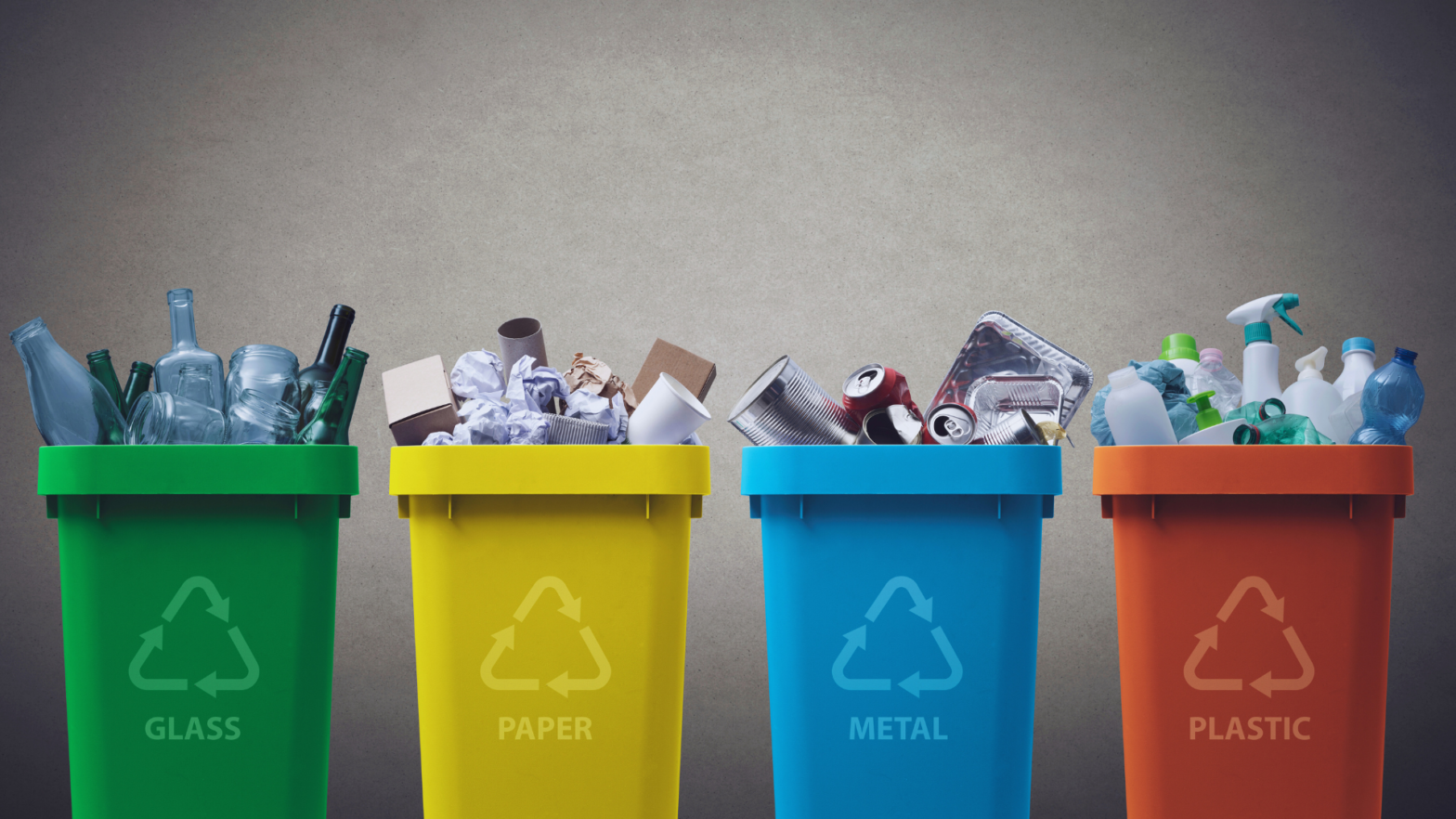
- Recycle: While recycling is valuable, it should be the last resort. Proper sorting and understanding of local recycling programmes are essential to ensure materials are actually recycled rather than ending up in a landfill.
Understanding Your Carbon Footprint
A carbon footprint measures the total greenhouse gas emissions from an individual’s activities. Recognising its components helps in making informed choices.
It includes emissions from personal transport, energy use, and food production. By assessing daily habits, individuals can pinpoint areas for reduction.
For example, using public transport, walking, or cycling decreases transport emissions. Similarly, consuming local and seasonal produce can significantly lower food-related carbon footprints.
Tools like carbon footprint calculators can provide insights into individual impact. Each person can take steps to minimise their carbon output, contributing to environmental conservation and better sustainability practices.
Practical Strategies for Waste Reduction
Implementing effective strategies for waste reduction can significantly impact an individual’s environmental footprint. These strategies include mindful shopping practices and sustainable home care routines that prioritise eco-friendly choices.
Shopping with Sustainability in Mind
Shopping with sustainability involves making informed decisions that minimise waste. Buying in bulk can reduce the amount of packaging associated with products, and using reusable containers can eliminate the need for single-use plastics.
Opt for reusable bags when visiting the supermarket. This small change helps combat plastic waste. Selecting loose produce instead of pre-packaged items not only cuts down on unnecessary packaging but also encourages a healthier diet.
Meal planning can also reduce food waste by ensuring that purchases align with what will actually be consumed. Shopping at local farmers’ markets often provides access to seasonal, sustainable products with minimal packaging.
Eco-Friendly Home and Personal Care
Adopting an eco-friendly approach at home can further support waste reduction goals. Composting organic waste transforms scraps into valuable soil nutrients while decreasing landfill contributions.
Investing in eco-friendly alternatives for personal care products also plays a crucial role. Items such as bamboo toothbrushes, refillable shaving razors, and handmade toiletries generally offer lower environmental impact.
Upcycling used items can give them a new life, reducing the need for new purchases. Choosing sustainable packaging options, such as glass bottles, may lead to lower plastic consumption. By integrating these practices into daily routines, individuals can foster a more sustainable lifestyle.
Embracing Reuse and Repurposing
Adopting a reuse and repurposing mindset plays a crucial role in a zero-waste lifestyle. It reduces waste, maximises resources, and encourages creativity. This section explores practical strategies to transform unused items and support sustainable practices.
Turning Trash into Treasure
Repurposing items creatively can significantly extend their life. For example, glass jars can serve as attractive food storage or organisation containers. They prevent clutter while providing a chic way to display pantry staples.
Old clothing can be turned into shopping bags, reducing the need for single-use plastic. Participants can also engage in clothing swaps, allowing for fresh additions to wardrobes without the environmental impact of new purchases.
Additionally, everyday items like fabric scraps can be transformed into reusable cloths. Using bar soap instead of liquid soap reduces plastic waste and can be paired with homemade wax wraps for food storage, enhancing sustainability in the kitchen.
Supporting the Second-Hand Market
Participating in the second-hand market fosters a circular economy. Donating unused items helps others while keeping usable goods out of landfills. Thrift shops and online platforms provide opportunities to buy and sell pre-owned items.
Not only do second-hand purchases often come at a reduced cost, but they also promote sustainable living practices. By opting for upcycled furniture or vintage clothing, individuals can find unique pieces with character, all while supporting eco-friendly choices.
Using reusable bags when shopping second-hand further minimises waste. This approach encourages a mindset where sustainability and style can coexist harmoniously.
Building a Community Around Zero Waste
Creating a supportive community fosters a collective approach to zero-waste living. Collaborative efforts can lead to shared knowledge, resources, and localised solutions that enhance the impact of eco-conscious lifestyles.
Local Initiatives and Education
Local initiatives play a pivotal role in promoting a zero-waste lifestyle. Community gardens are a prime example, allowing residents to grow their own food, and reducing reliance on plastic packaging. These gardens often rely on local farmers, strengthening the local economy and promoting sustainable agricultural practices.
Education through workshops and events is essential. Residents can learn how to adopt zero-waste practices, such as using reusable cutlery, bamboo toothbrushes, and composting techniques. Furthermore, sharing information about waste management and highlighting the effects of greenhouse gas emissions can motivate community action. Engaging with schools and local organisations cultivates a culture of sustainability, motivating individuals to adopt more environmentally friendly habits.
Advocating for Systemic Changes
Systemic change is vital for achieving lasting impact. Communities must advocate for improved waste management policies at local and regional levels. This includes encouraging businesses to adopt zero-waste practices and offering incentives for using low-waste products.
Residents can actively participate in municipal meetings and community forums to voice their concerns regarding waste policies. Collaboratively, they can push for initiatives that reduce single-use plastics and promote the use of zero-waste products. By partnering with local governments, they can work to create infrastructure that supports recycling and composting efforts, further enhancing community sustainability. Community advocacy empowers individuals to collectively push for transformative environmental policies.


Leave a Reply