
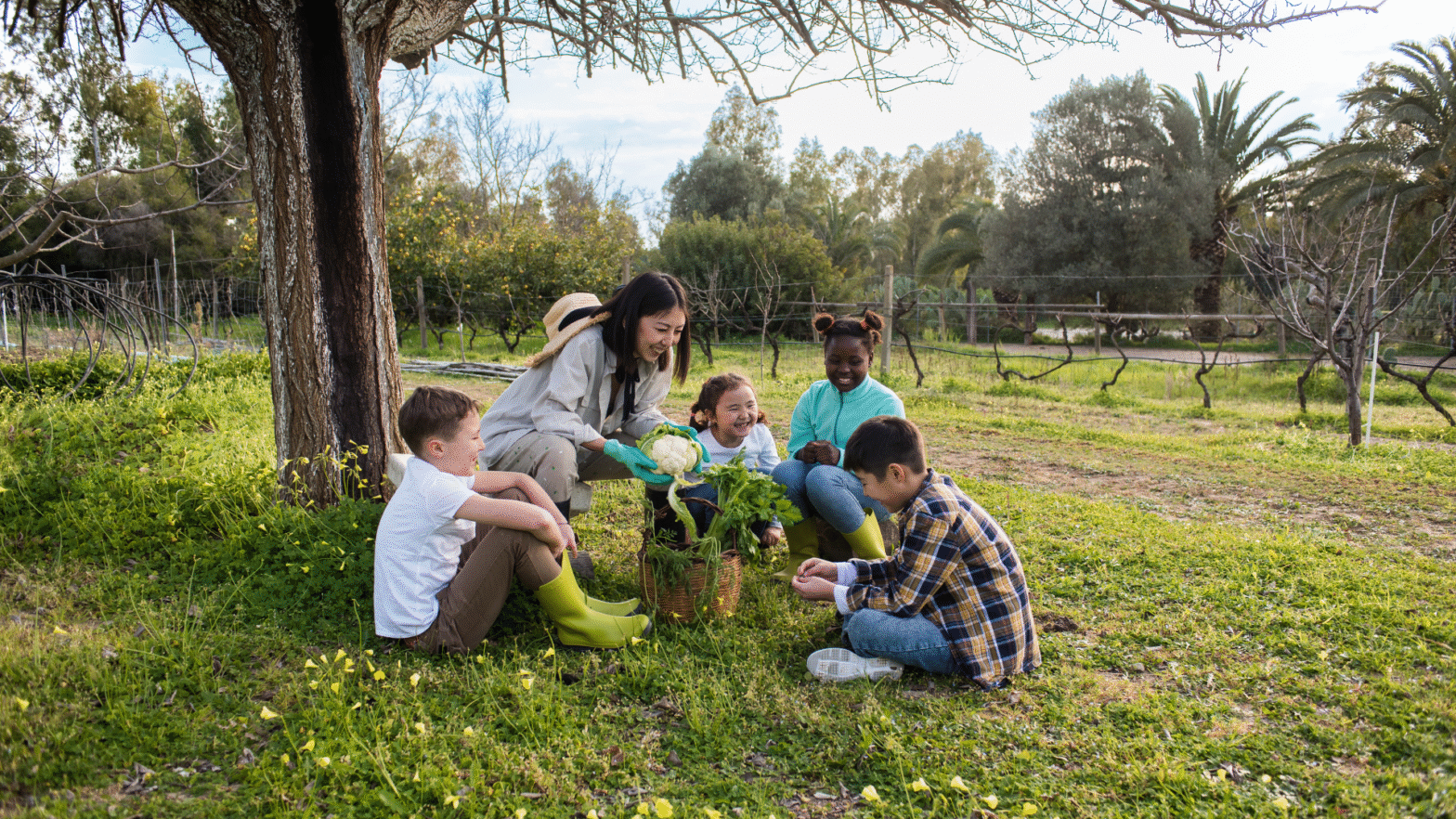
Shared gardens serve as vibrant community hubs where individuals come together, share resources, and cultivate both plants and relationships. These spaces foster social interactions and encourage collaboration among diverse groups, breaking down barriers and building strong connections. Whether they are urban plots or rural spaces, shared gardens create environments where people can engage in meaningful dialogue and come to appreciate one another’s backgrounds.
These days, when people invest in real estate, many pay close attention to the presence of shared gardens and community green spaces. Such features are increasingly valued not just for their aesthetic appeal, but for the lifestyle and sense of community they offer. Buyers often see these spaces as opportunities to connect with neighbors, enjoy outdoor activities, and foster a sense of belonging—making properties near well-maintained shared gardens especially desirable. Whether in urban developments or suburban neighborhoods, proximity to these communal areas can significantly influence Real Estate decisions, reflecting a growing appreciation for both nature and social connectivity in residential living.
Engaging in gardening activities also provides opportunities for individuals to learn from each other, exchange skills, and contribute to the collective effort of nurturing the land. Participants often find a sense of belonging as they work side by side, sharing in the joys and challenges of garden maintenance. In some cases, preparing or restoring garden plots can require practical landscaping work, such as clearing old roots or arranging professional Stump Grinding to remove leftover tree stumps that could interfere with planting areas or pathways. This can help produce fresh food while also cultivating friendships and community solidarity. These collaborative experiences not only produce fresh food but also cultivate friendships and community solidarity.
The impact of shared gardens extends beyond plant life. They offer a unique setting for social events, educational workshops, and cultural exchange. As participants work toward a common goal, they develop a sense of ownership and pride in their community, reinforcing the idea that wellness, both personal and communal, can blossom through collaboration.
The Essence of Community Gardens
Community gardens play a vital role in enhancing social bonds and promoting mental well-being. They serve as shared spaces where diverse individuals cultivate not only plants but also relationships and a sense of belonging.
Defining Community Gardens
Community gardens are plots of land collectively cultivated by a group of individuals. They can be found in urban, suburban, and rural areas. These gardens are typically managed by local organisations or neighbourhood groups, ensuring that everyone has a stake in their upkeep.
In these spaces, members grow various plants, including vegetables, fruits, and flowers. The focus is often on organic practices, which encourage sustainability and respect for nature. This connection to the land fosters a sense of responsibility and collective ownership among participants.
Benefits to Mental Health
Gardening in a communal setting has notable benefits for mental health. Engaging with nature reduces stress levels and can alleviate symptoms of anxiety and depression. The act of planting, nurturing, and harvesting has therapeutic effects, allowing individuals to experience a sense of accomplishment.
Social interaction is another critical element. Through community gardens, individuals form friendships and support networks. These connections can significantly improve one’s emotional well-being, providing a sense of purpose and belonging.
Community Development through Shared Spaces
Community gardens contribute to local development by enhancing the neighbourhood’s aesthetic and increasing property values. They transform vacant lots into vibrant, usable spaces. This encourages outdoor activities and fosters a culture of engagement.
Moreover, these gardens offer educational opportunities for community members, including workshops on sustainable gardening practices. This transfer of knowledge empowers residents and builds skills that can be valuable in other areas of life.
In essence, community gardens strengthen social ties while cultivating a shared investment in the local environment.
Practical Elements of Community Gardening
Community gardening involves various practical components that contribute to its success. Effective planning, sustainable practices, and consistent maintenance are crucial for cultivating a productive and harmonious gardening space.
Planning and Planting
Effective planning serves as the foundation for a successful community garden. Gardeners should assess available space, sunlight, and soil conditions before selecting plants. Raised beds can be utilised to optimise limited areas and improve accessibility.
When it comes to planting, a mix of vegetables, herbs, and flowers promotes biodiversity. Incorporating seasonal crops ensures a steady supply of fresh produce. Collaborating on planting schedules fosters teamwork and allows gardeners to learn from each other’s experiences.
Organic Gardening Practices
Organic gardening practices prioritise health and sustainability. Community gardens often adopt techniques such as composting to enrich the soil and reduce waste. Using organic fertilisers and natural pest control methods maintains environmental integrity while supporting plant health.
Permaculture principles can also be integrated to create self-sustaining ecosystems. This approach includes companion planting, which allows certain plants to benefit each other. This not only maximises space but fosters a balanced environment for growth.
Maintenance: Mulching and More
Consistent maintenance is essential for a thriving garden. Mulching plays a key role in moisture retention and weed suppression. Organic materials, such as straw or wood chips, can improve soil quality over time as they decompose. Keeping the ground clear of unwanted growth is a constant task for any gardener. While mulch helps, some areas need more direct attention to stay healthy. Many people find that consistent weed control for lawns and garden beds makes the whole space look better. It also stops invasive plants from taking nutrients away from the vegetables and flowers. Using the right methods early in the season saves a lot of work later on. This helps the soil stay rich and ready for new growth throughout the year.
Proper tree care should also be part of routine maintenance, as trimming overgrown branches and removing weakened limbs helps protect surrounding plants while encouraging stronger, healthier growth. Meanwhile, when trees require professional attention, companies like Smith Works Tree Service (available via https://www.smithworkstreeservicenashvilletn.com/) can assist with safe pruning, removal, and ongoing tree care to keep the landscape healthy and well-maintained.
Regular watering, pruning, and pest monitoring are critical tasks that keep the garden healthy. Establishing a schedule for communal maintenance ensures that responsibilities are shared. By fostering cooperation, community members strengthen their bonds while promoting a fruitful gardening experience.
Community Engagement and Education
Shared gardens serve as vital spaces for community engagement and education. They foster collaboration and learning among diverse groups, enriching the collective knowledge of gardening and environmental stewardship.
Workshops and Learning Opportunities
Community gardens frequently host workshops that teach gardening skills, sustainability practices, and cooking techniques. These sessions can cover topics such as composting, seed saving, and organic pest control.
Participants often gain practical experience, enhancing their confidence and knowledge. By engaging local experts, gardens can provide valuable insights tailored to specific community needs.
Workshops also promote social interaction, allowing participants to connect over shared interests. Collaborative projects, like creating a pollinator garden, can strengthen community ties and encourage long-term involvement.
Garden Location and Accessibility
The location of shared gardens plays a crucial role in their accessibility and success. Ideally, gardens should be situated in easily reachable areas, near public transportation or within walking distance for residents.
Having accessible pathways and raised beds can ensure that all community members, including those with disabilities, can participate. Proper signage and designated gathering spots within the garden can enhance its usability.
Local partnerships can further improve accessibility by securing spaces in schools, parks, or vacant lots. This accessibility invites broader participation, leading to a more engaged and connected community.




Leave a Reply