
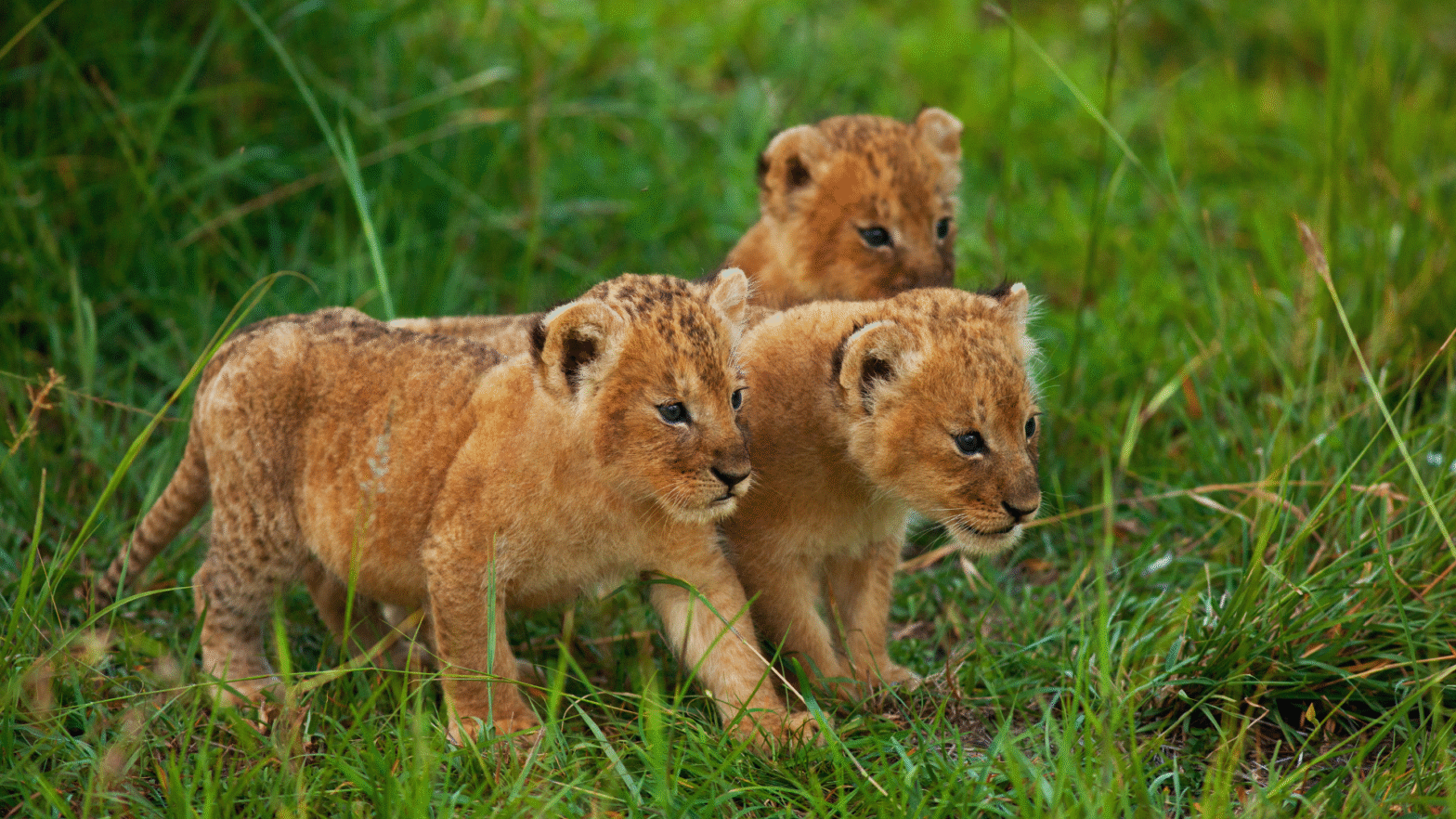
Protecting local wildlife is essential for maintaining ecological balance and ensuring the health of the environment. Conserving species and their habitats not only supports biodiversity but also contributes to the well-being of human communities. As local ecosystems face increasing threats from habitat destruction and climate change, wildlife conservation becomes a vital effort in safeguarding endangered species and the intricate web of life they inhabit.
Local wildlife plays a critical role in pollination, pest control, and nutrient cycling. Each species contributes uniquely to its ecosystem, making its protection a cornerstone of environmental sustainability. Engaging in wildlife conservation efforts not only helps preserve these animals but also fosters a deeper connection between communities and their natural surroundings.
Raising awareness about the importance of local species can drive meaningful change. By understanding the impact that preserving wildlife has on overall ecosystem health and stability, individuals can advocate for measures that protect these valuable resources. Engaging in conservation initiatives can lead to a more resilient environment for future generations.
Importance of Biodiversity
Biodiversity plays a crucial role in maintaining healthy ecosystems and supporting life on Earth. The variety of species within an ecosystem contributes to its resilience and ability to provide essential services.
Ecosystem Services and Balance
Biodiversity ensures the provision of vital ecosystem services such as pollination, nutrient cycling, and water filtration. Different species contribute uniquely to these processes. For instance, bees and other pollinators are essential for the reproduction of many crops and wild plants.
Rich wildlife habitats support complex food webs, allowing species to thrive. When biodiversity declines, ecosystems can become imbalanced. This imbalance can lead to issues such as crop failures and loss of clean water, directly impacting human populations.
Preserving biodiversity is key to maintaining these ecosystem services. It also plays a significant role in climate regulation, carbon storage, and overall ecosystem health.
Genetic Diversity and Species Survival
Genetic diversity is essential for species survival and adaptability. Diverse gene pools ensure that populations can adapt to changing environments, disease pressures, and climate variability. Strong genetic variation increases resilience against threats like habitat destruction and invasive species.
Species conservation efforts focus on maintaining this genetic diversity. Protected areas and biodiversity hotspots help safeguard various species and their habitats. For example, healthy populations of endangered species can assist in ecological balance and recovery.
Ultimately, fostering genetic diversity not only helps individual species survive but also supports ecosystem sustainability in a rapidly changing world.
Threats to Wildlife
Wildlife faces numerous threats that arise from human activities and environmental changes. These challenges include habitat loss, invasive species, and human-wildlife conflicts, each significantly impacting biodiversity and ecosystem stability.
Impact of Habitat Loss
Habitat loss is one of the most critical threats to wildlife. It occurs when natural environments are altered or destroyed, primarily due to urban development, agriculture, and logging.
- Declining Spaces: Animals lose their natural habitats, which can lead to reduced population sizes.
- Fragmentation: Divided habitats can isolate wildlife populations, making it difficult for species to find mates and access resources.
Habitat restoration efforts can mitigate these effects by rehabilitating ecosystems and reintroducing native plants and animals. Successful restoration helps to recreate a balanced environment where wildlife can thrive.
Consequences of Invasive Species
Invasive species can disrupt local ecosystems by outcompeting native species for resources. They often thrive in new environments, leading to significant ecological shifts.
- Predation: Some invasive species directly prey on native wildlife, reducing their populations.
- Resource Competition: Invasive plants can dominate landscapes, choking out native vegetation essential for local wildlife.
The introduction of invasive species can lead to long-term ecological damage, making effective management crucial for preserving native wildlife.
Challenges of Human-Wildlife Conflict
Human-wildlife conflict occurs when wildlife poses a threat to human activities or vice versa. This can happen in agricultural areas, urban settings, and near protected habitats.
- Livestock Predation: Predators may attack livestock, leading farmers to take lethal measures against them.
- Property Damage: Wildlife can damage crops and property, creating tensions between humans and animals.
Addressing these conflicts requires strategies that promote coexistence, such as electric fencing or community education programs. These approaches can help reduce conflicts and protect both wildlife and human interests.
While promoting coexistence is ideal, there are instances where wildlife, such as bees, can pose direct threats to human safety or property. In such cases, professional intervention becomes necessary to safely resolve the conflict. Experts in this field often prioritize humane methods like live bee rescue and relocation, ensuring the insects are moved to a more suitable environment away from human activity. For residents facing such challenges, finding a reputable Arizona bee removal company can provide a safe and effective solution.
Conservation Strategies
Effective conservation strategies are essential for protecting local wildlife, addressing specific threats, and fostering healthier ecosystems. Key approaches include habitat preservation and restoration, legal protection for endangered species, and community engagement through education initiatives.
Habitat Preservation and Restoration
Habitat preservation focuses on maintaining existing ecosystems essential for wildlife. This involves safeguarding national parks, wildlife reserves, and critical habitats from development.
Restoration efforts aim to rehabilitate degraded ecosystems. Techniques may include replanting native vegetation, removing invasive species, and restoring natural water flow. For example, programs led by organisations like the National Wildlife Federation focus on wetland restoration to support various species.
Key actions:
- Protecting natural areas through legislation
- Monitoring ecological health
- Involving local communities in restoration projects
These efforts help ensure that local wildlife can thrive in their natural environments.
Legal Protection for Endangered Animals
Legal frameworks are crucial in preventing the extinction of endangered species. Governments and organisations implement laws that protect vulnerable wildlife, such as the Endangered Species Act in the United States.
This act provides protections for critically endangered species and their habitats. It mandates recovery plans and restricts actions that could harm these animals.
Organisations like the Audubon Society work alongside legislators to strengthen protections and raise awareness about species at risk.
Key elements include:
- Listing endangered species and their habitats
- Enforcing penalties for violations
- Funding for conservation efforts
Such legal structures play a vital role in conserving biodiversity and preventing species loss.
Community Engagement and Education
Community involvement is crucial for successful conservation. Education initiatives help raise awareness about local wildlife and the importance of protecting them. Organisations conduct workshops, school programs, and outreach to inform the public about conservation issues.
Engaging local communities encourages stewardship and participation in wildlife protection. When people understand the impact of their actions, they can contribute to conservation efforts.
Key strategies include:
- Volunteer programs for habitat restoration
- Citizen science projects to monitor wildlife
- Collaboration with local schools for educational programs
These efforts create a ripple effect, fostering a culture of conservation and responsibility toward local wildlife.
Supporting Local Wildlife
Creating environments that support local wildlife is essential for maintaining ecological balance. This can be achieved by enhancing habitats and encouraging biodiversity, leading to healthier ecosystems. Simple actions can have a significant impact on wildlife vitality.
Creating Wildlife-Friendly Spaces
Wildlife-friendly spaces can significantly enhance local ecosystems. Homeowners can incorporate native plants in their gardens, which provide food and shelter for various species.
Key features of wildlife-friendly gardens include:
- Native Plants: These require less maintenance and offer food for local pollinators.
- Bird Feeders: Installing feeders attracts birds, supporting their dietary needs, particularly during migration periods.
- Water Sources: Providing birdbaths or small ponds can offer hydration for animals and insects.
Designing gardens that minimise pesticide use is vital. Native plants foster natural pest control, while organic practices reduce chemical exposure to local wildlife. Regular maintenance, such as picking up litter, helps prevent pollution and protects animals that may mistake garbage for food.
Promoting Urban Biodiversity
Urban areas can promote biodiversity by integrating green spaces into city planning. Green roofs and community gardens provide habitats for diverse species and allow city dwellers to connect with nature.
Important aspects of urban biodiversity include:
- Pollinator Gardens: Planting flowers that attract bees and butterflies boosts pollinator health. This enhances food production and local flora diversity.
- Recycling and Conservation Initiatives: Programs that educate citizens on recycling can reduce waste and create spaces for wildlife by maintaining clean habitats.
- Community Clean-Up Events: Organising events like Earth Day activities encourages residents to take an active role in maintaining their environment and protecting wildlife.
Supporting local wildlife requires community involvement and commitment to sustainable practices. Each person’s efforts can contribute to healthier ecosystems in urban settings.




Leave a Reply